CURIOUSRUBIK
Let’s talk about your next move ↗View complete sitemap

CuriousRubik · Blog

Articles by Kashvi

Back to the blog
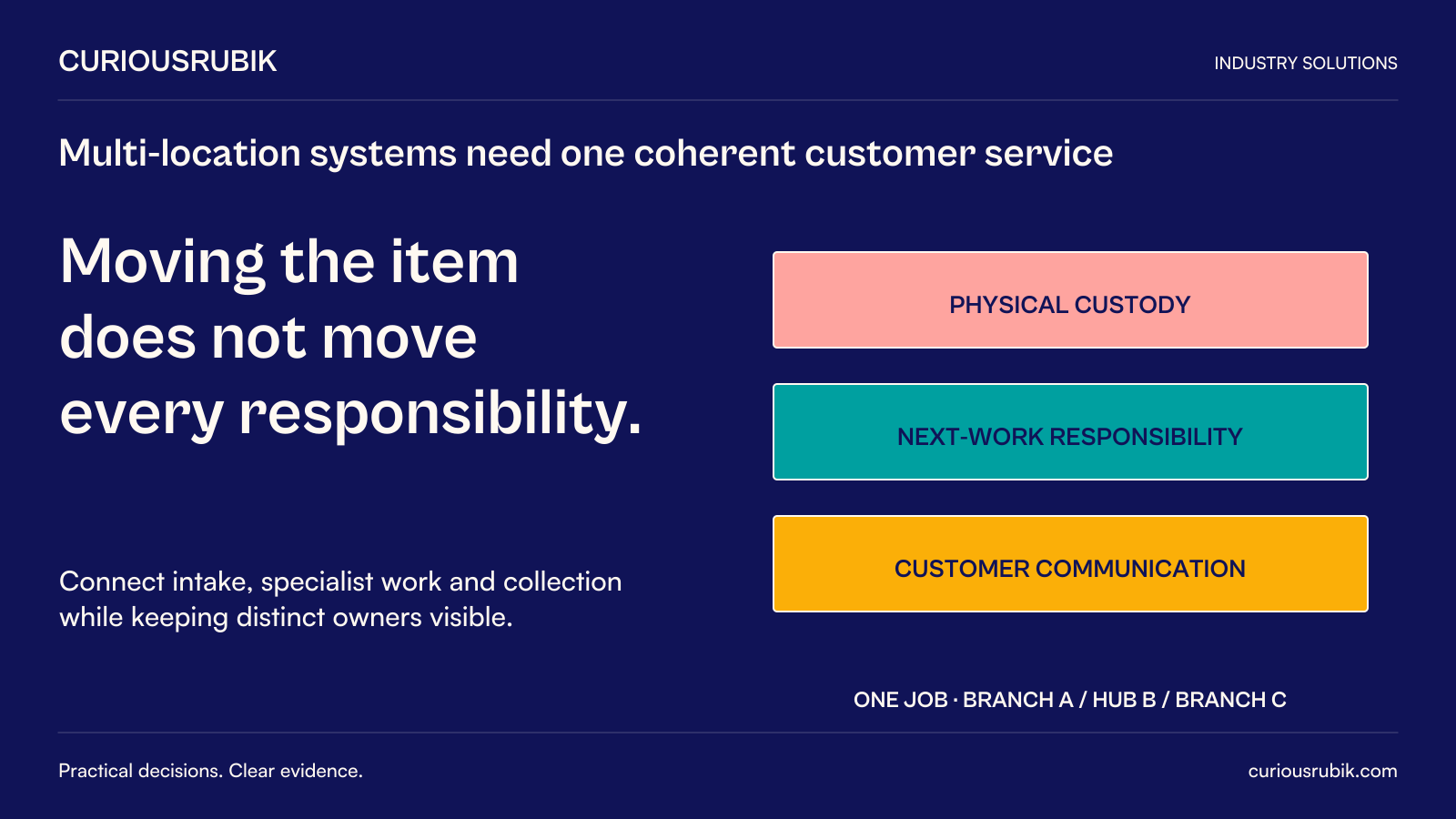
CuriousRubik poster: Moving the item does not move every responsibility. One hypothetical job connects Branch A intake, Hub B specialist work and Branch C collection. Keep physical custody, next-work responsibility and customer communication distinct.
  • Industry Workflows

Building Connected Operations Across Multi-Location Businesses

  • Kashvi

A customer leaves an instrument at Branch A, specialist work is performed at Hub B and collection is requested at Branch C. To the customer, this is one service. Inside the business, it can become three separate jobs, two unexplained …
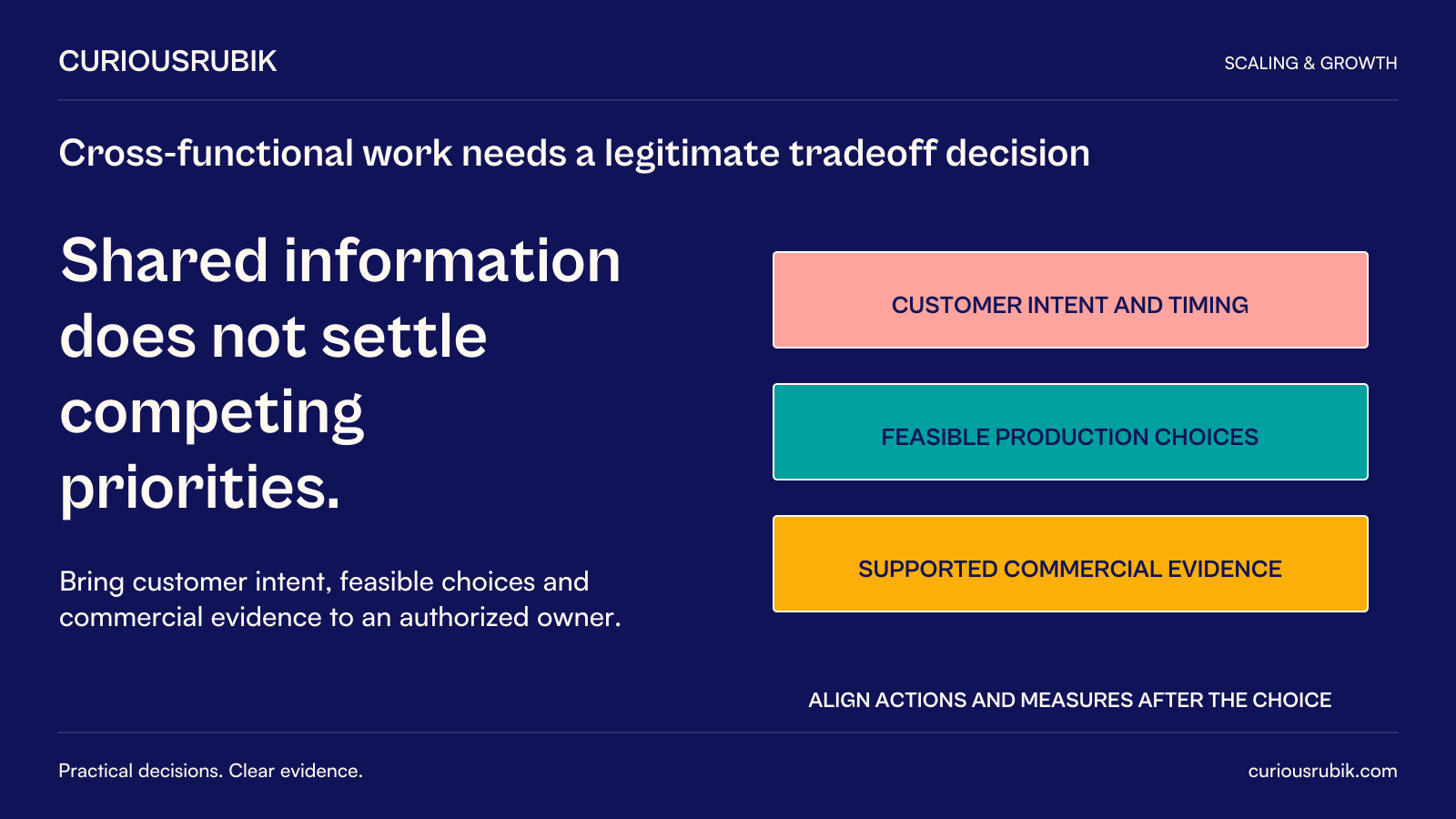
CuriousRubik poster: Shared information does not settle competing priorities. Bring customer intent and timing, feasible production choices and supported commercial evidence to an authorized tradeoff owner. Align actions and measures after the choice.
  • General Business

How to Eliminate Operational Silos Across Departments

  • Kashvi

Sales wants to reassure a customer immediately. Production wants to keep an already scheduled job moving. Finance wants evidence before agreeing the commercial disposition. Each position can be reasonable, yet the customer may wait while …

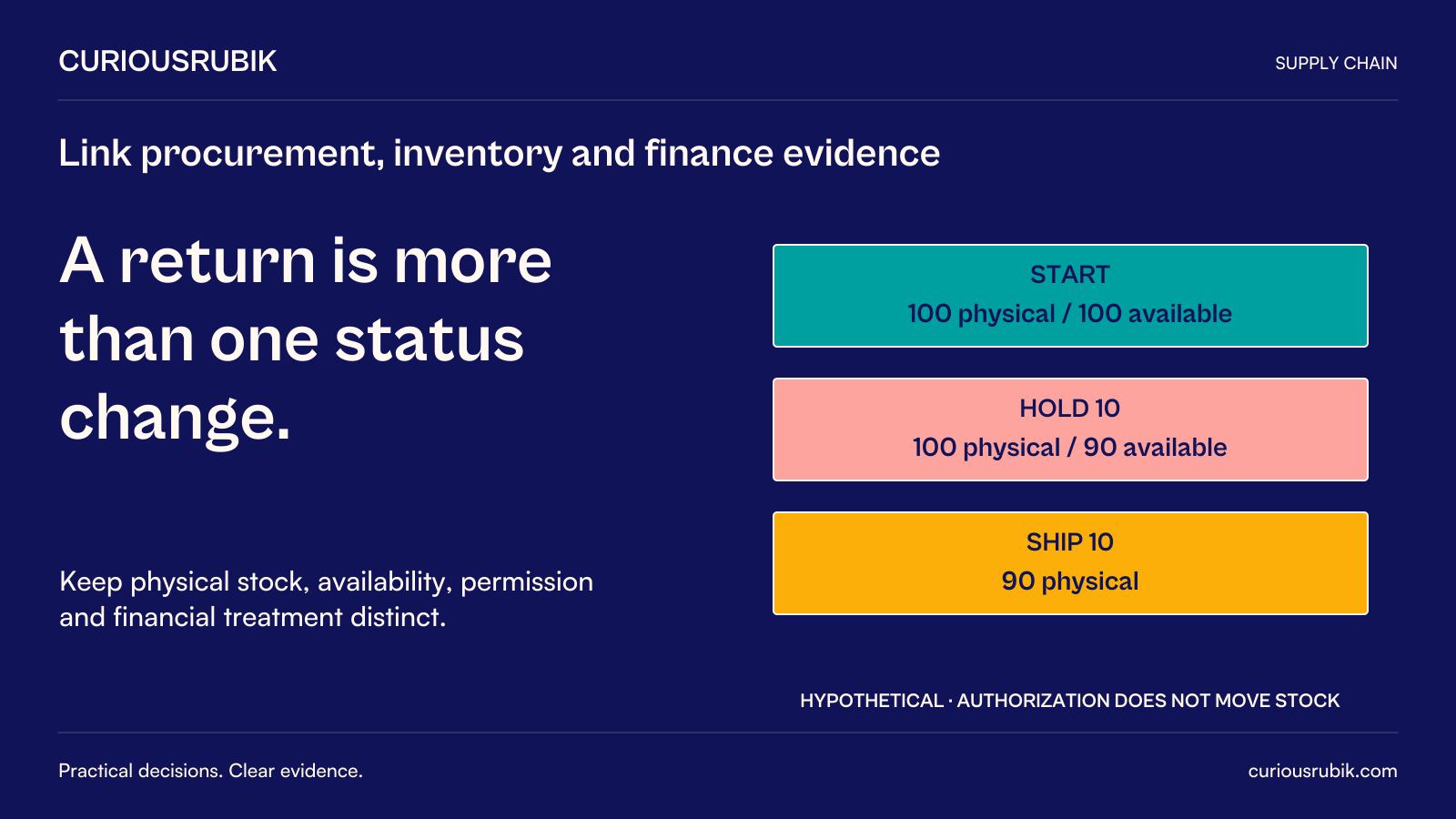
CuriousRubik poster: A return is more than one status change. Hypothetical start is 100 physical and 100 available units. Holding ten leaves 100 physical and 90 available; shipping ten leaves 90 physical. Authorization does not move stock. Keep physical stock, availability, permission and financial treatment distinct.
  • Inventory and Manufacturing

How to Connect Procurement, Inventory, and Finance Operations

  • Kashvi

Procurement says the return is closed. The warehouse says the goods have left. Finance says the supplier balance has not changed. Those statements may describe three different events rather than three conflicting versions of one fact.

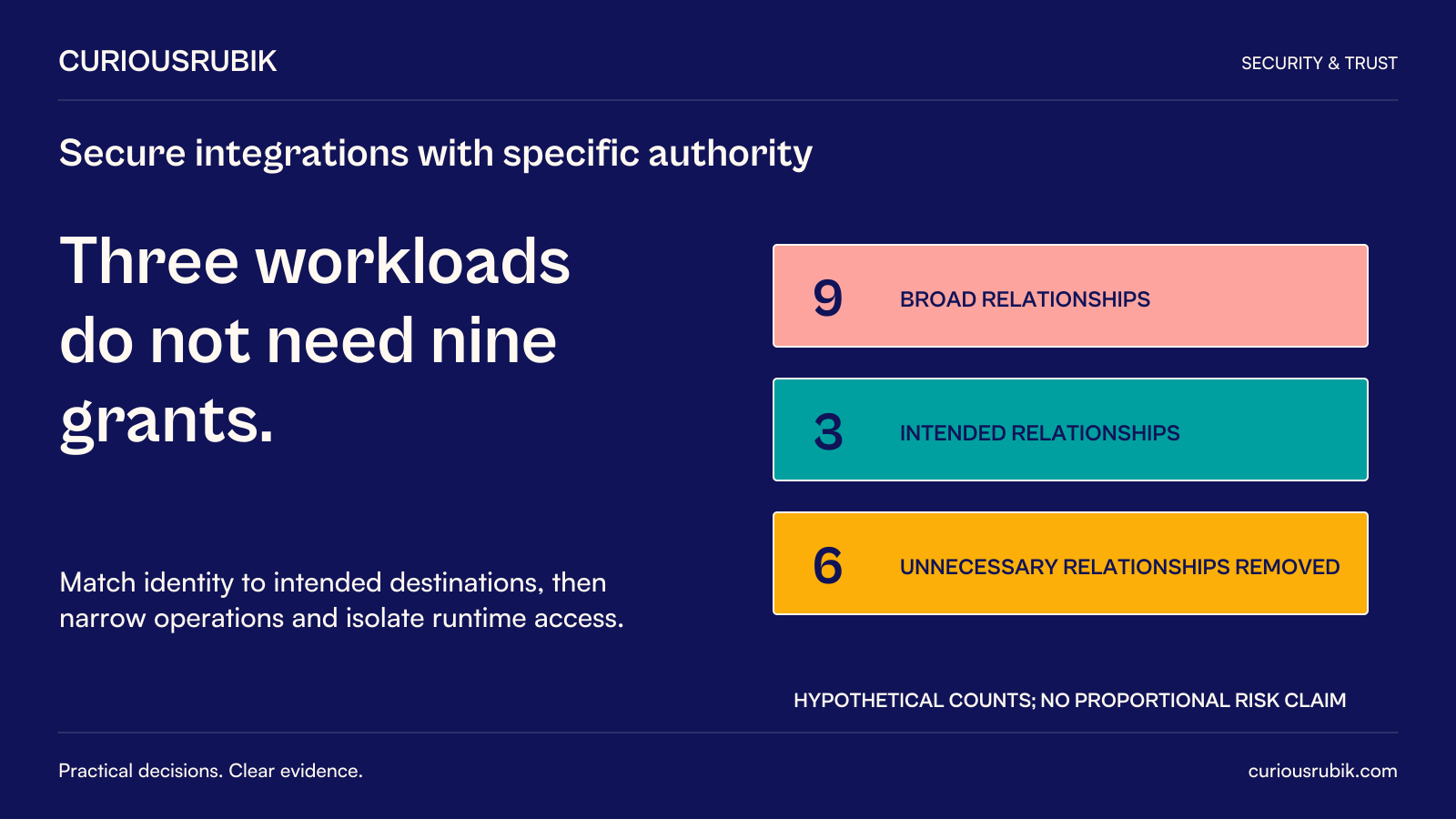
CuriousRubik poster: Three workloads do not need nine grants. Hypothetical nine broad relationships reduce to three intended relationships, removing six unnecessary ones. Match identities to destinations, then narrow operations and isolate runtime access. Counts do not imply proportional risk reduction.
  • Integrations

How to Manage Security Risks Across Integrated Business Systems

  • Kashvi

An integration creates a path for data and authority to move between systems. Securing each application separately does not establish that the combined path grants only the intended access. A connector can authenticate successfully while …

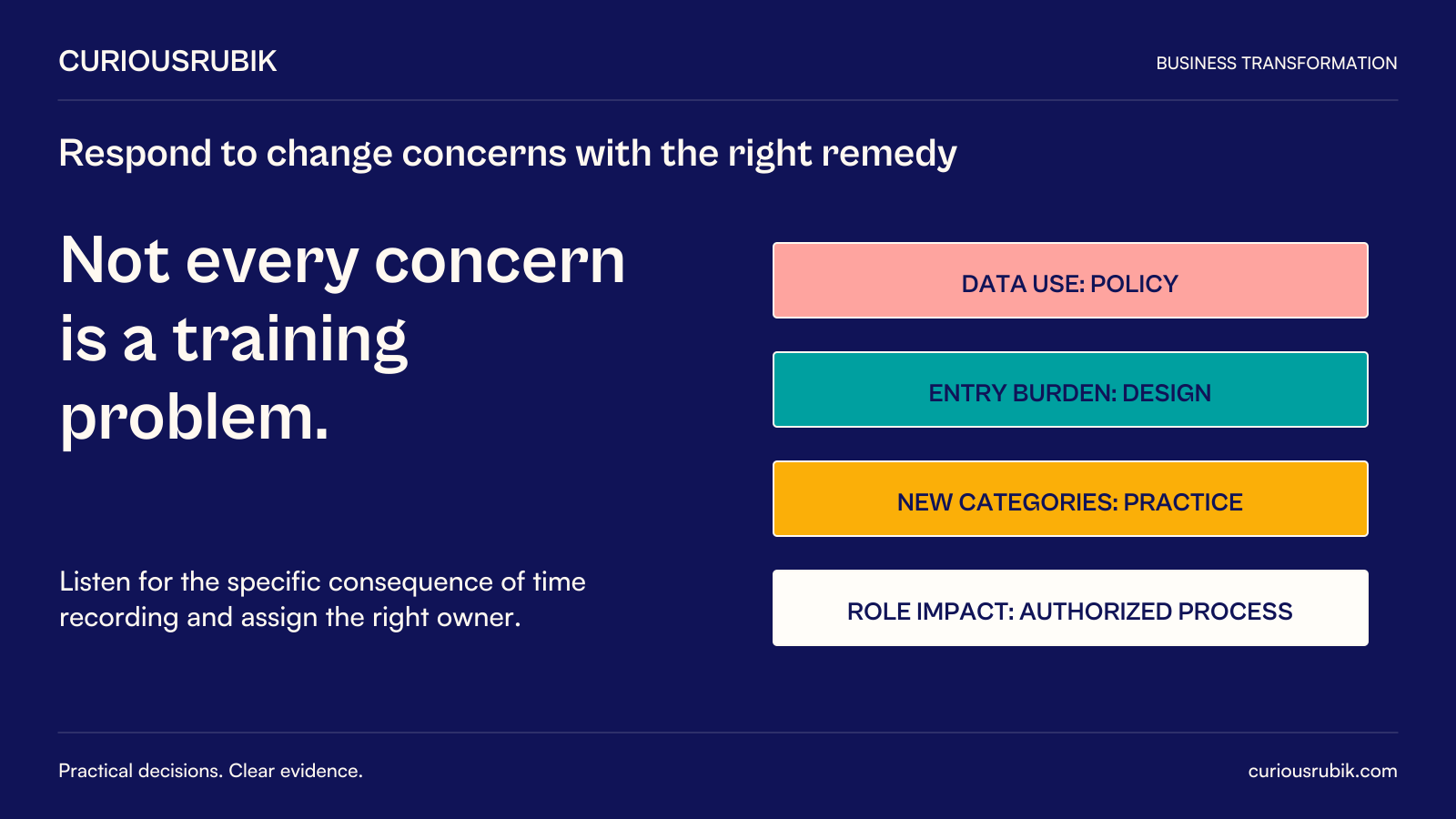
CuriousRubik poster: Not every concern is a training problem. For a hypothetical time-recording change, data use requires policy, entry burden requires design work, unfamiliar categories need practice and role impacts need an authorized process. Listen to the specific consequence and assign the right owner.
  • General Business

Why Employees Resist New Enterprise Systems

  • Kashvi

Employees may resist a new enterprise system because it changes more than the interface. It can expose work differently, alter professional discretion, redistribute administrative effort, or create uncertainty about how performance will be …

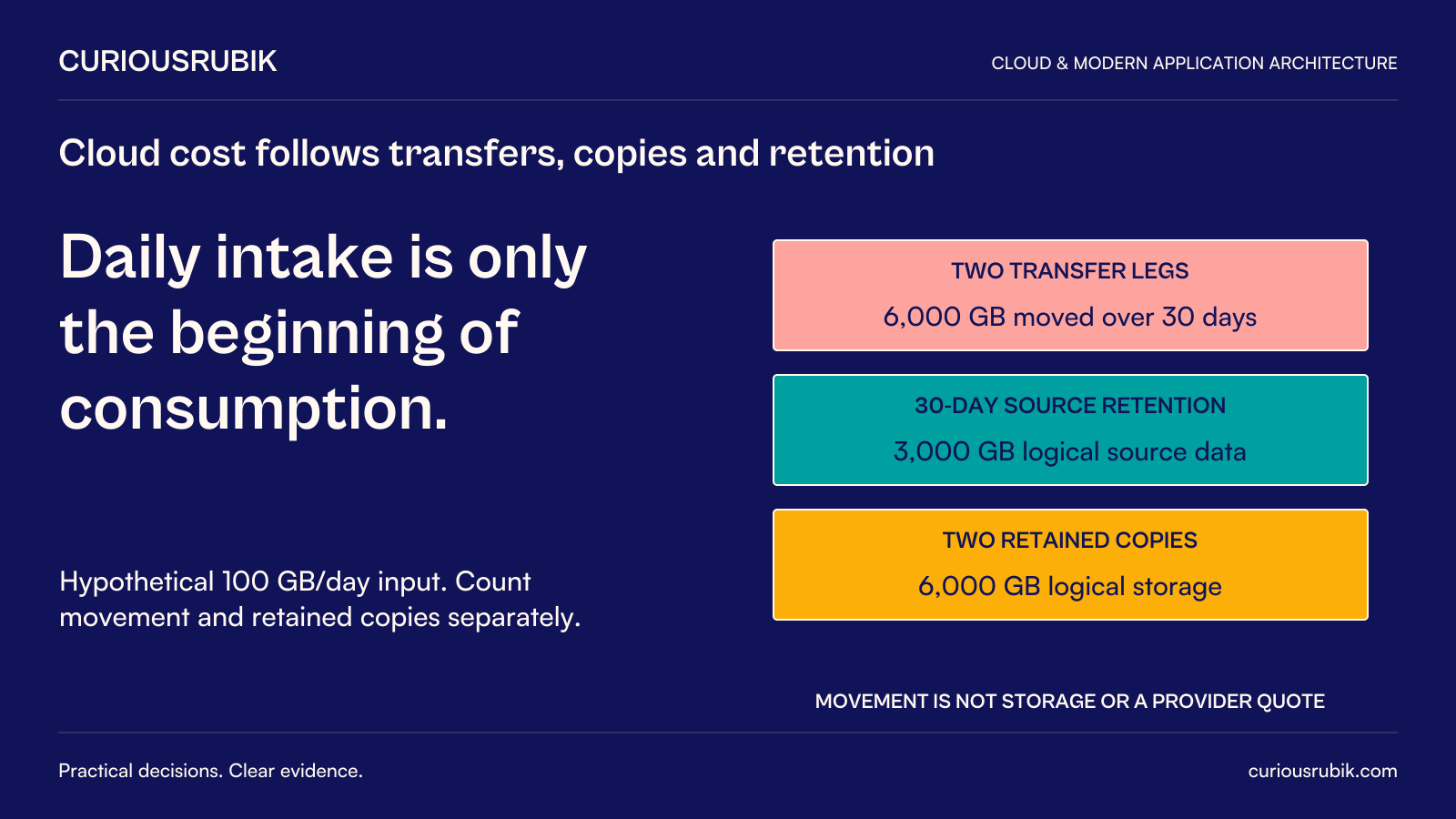
CuriousRubik poster: Daily intake is only the beginning of consumption. Hypothetical 100 GB/day input produces 6,000 GB movement over 30 days across two transfer legs; 30-day source retention is 3,000 GB logical data; two retained copies total 6,000 GB logical storage. Movement differs from storage and these are not provider quotes or automatically billed quantities.
  • General Business

The Hidden Costs of Cloud Infrastructure

  • Kashvi

The most misleading cloud estimate is often not the one with an incorrect unit price. It is the one that omits a category of usage or assumes that resources disappear when the business no longer needs them.

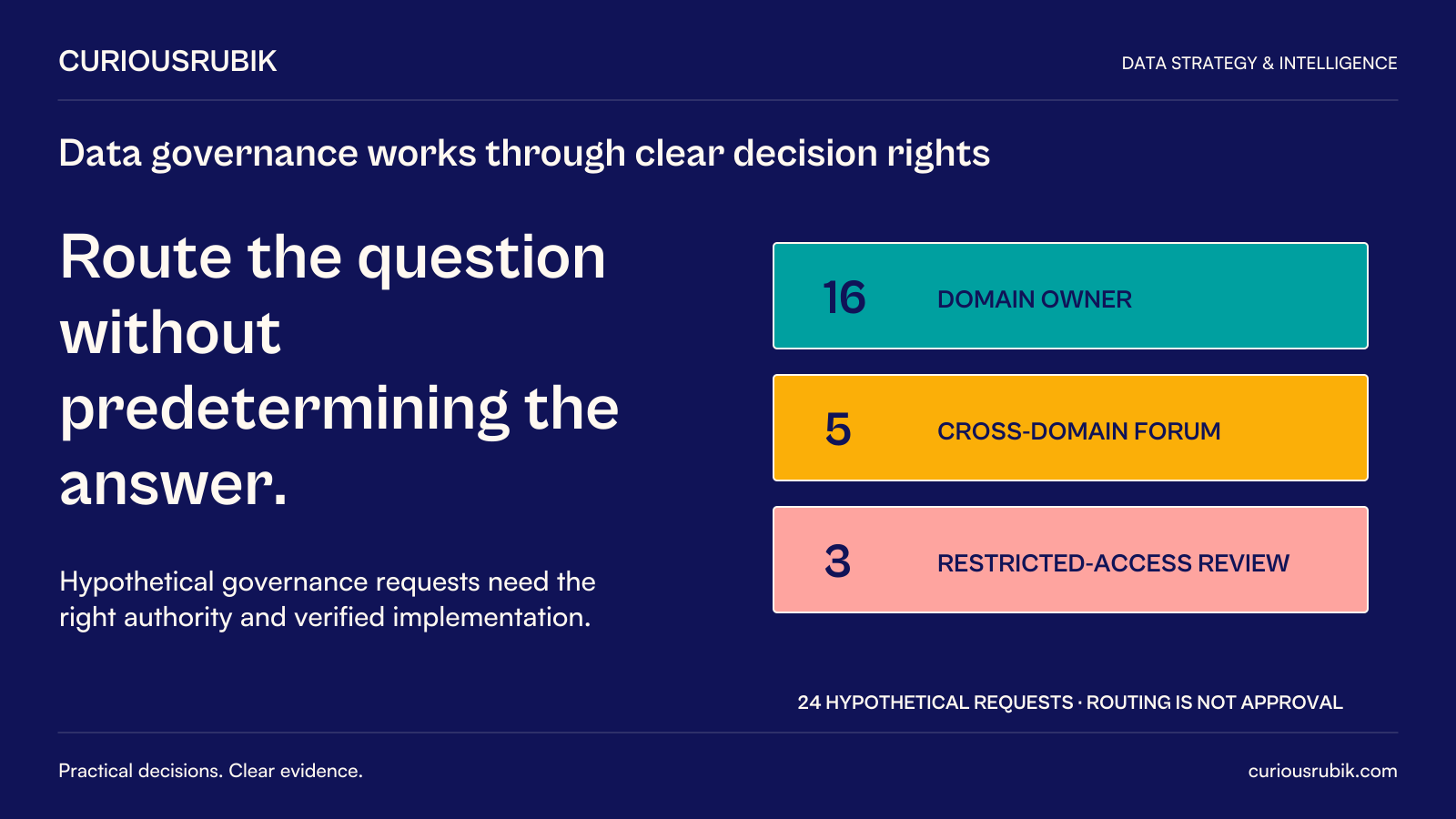
CuriousRubik poster: Route the question without predetermining the answer. Twenty-four hypothetical governance requests route 16 to a domain owner, 5 to a cross-domain forum and 3 to restricted-access review. Routing is not approval; the correct authority and verified implementation remain necessary.
  • General Business

How to Build a Data Governance Model That People Actually Follow

  • Kashvi

People are more likely to follow data governance when the approved route helps them obtain a reliable decision, resolve a conflict, or make a change without unnecessary delay. A policy library and a committee calendar do not provide that …

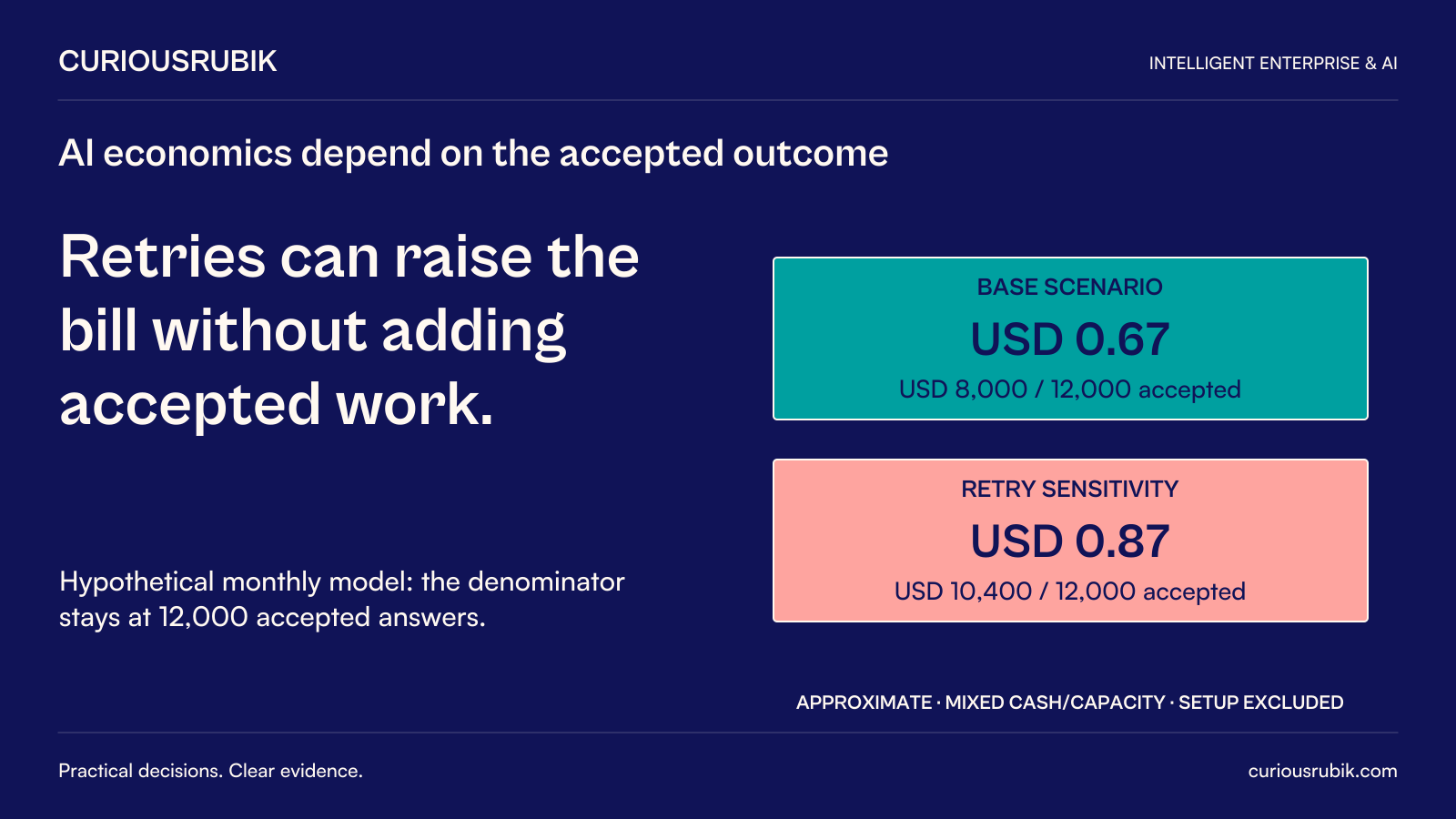
CuriousRubik poster: Retries can raise the bill without adding accepted work. Hypothetical monthly base USD8,000 divided by12,000 accepted answers is about USD0.67 each; retry sensitivity USD10,400 with the same12,000 accepted answers is about USD0.87. Figures mix cash and valued capacity, exclude setup and are approximate.
  • AI and Automation

The Economics of Enterprise AI: Beyond Demonstrations and Pilots

  • Kashvi

Enterprise AI economics depends on the cost of producing an accepted business outcome, including failed attempts, review, maintenance, and the work that remains outside the system. The price of a model call is one input. A demonstration …

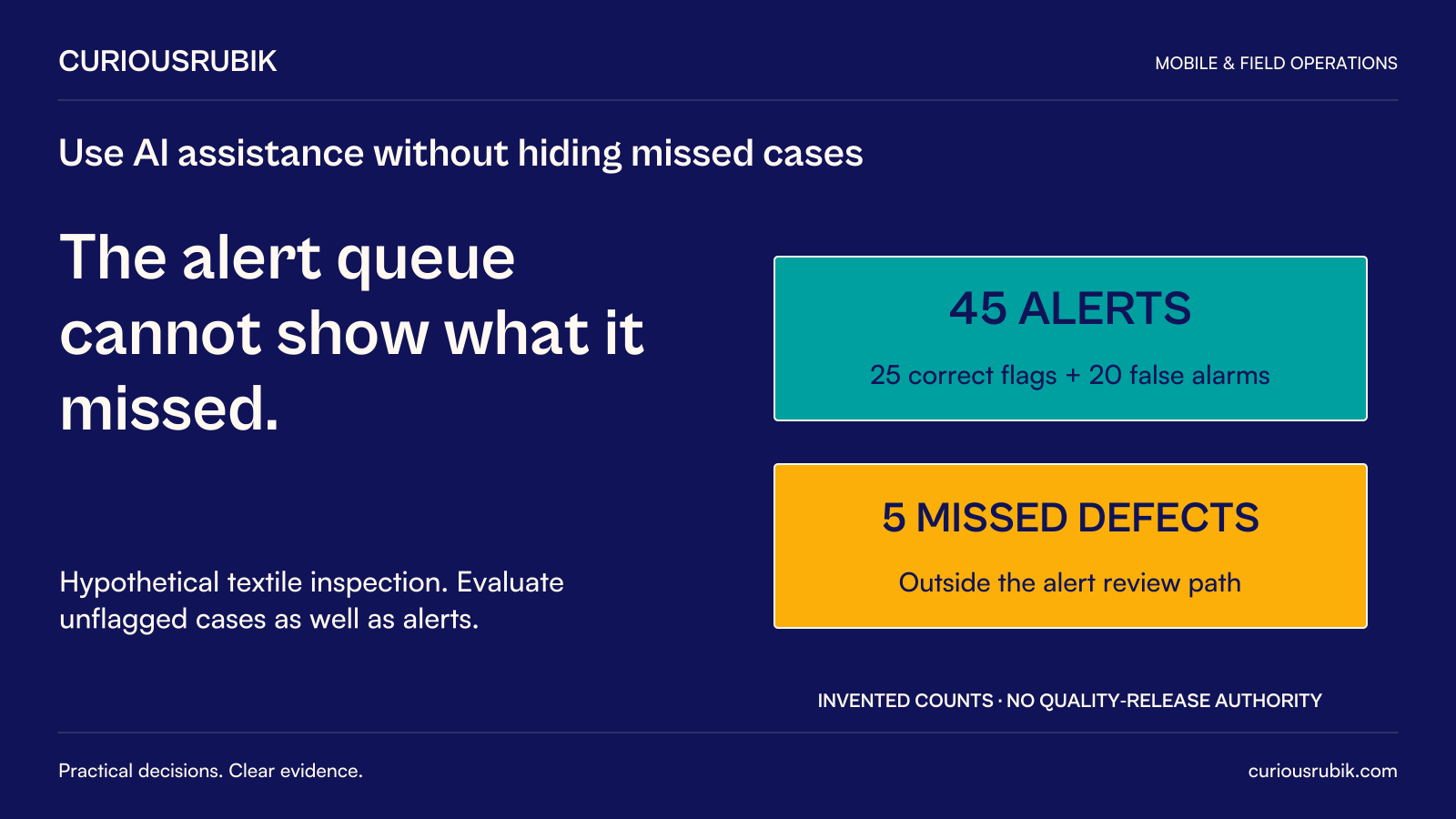
CuriousRubik poster: The alert queue cannot show what it missed. Hypothetical textile inspection has 45 alerts comprising25 correct flags and20 false alarms, while5 missed defects sit outside the alert-review path. Evaluate unflagged cases too. Counts are invented and assistance does not authorize quality release.
  • MOBILE

The Next Generation of AI-Powered Enterprise Mobile Applications

  • Kashvi

The most useful next generation of enterprise mobile applications will help people interpret evidence and prepare decisions at the point of work. That may involve reading a label, suggesting a defect category, retrieving an approved …

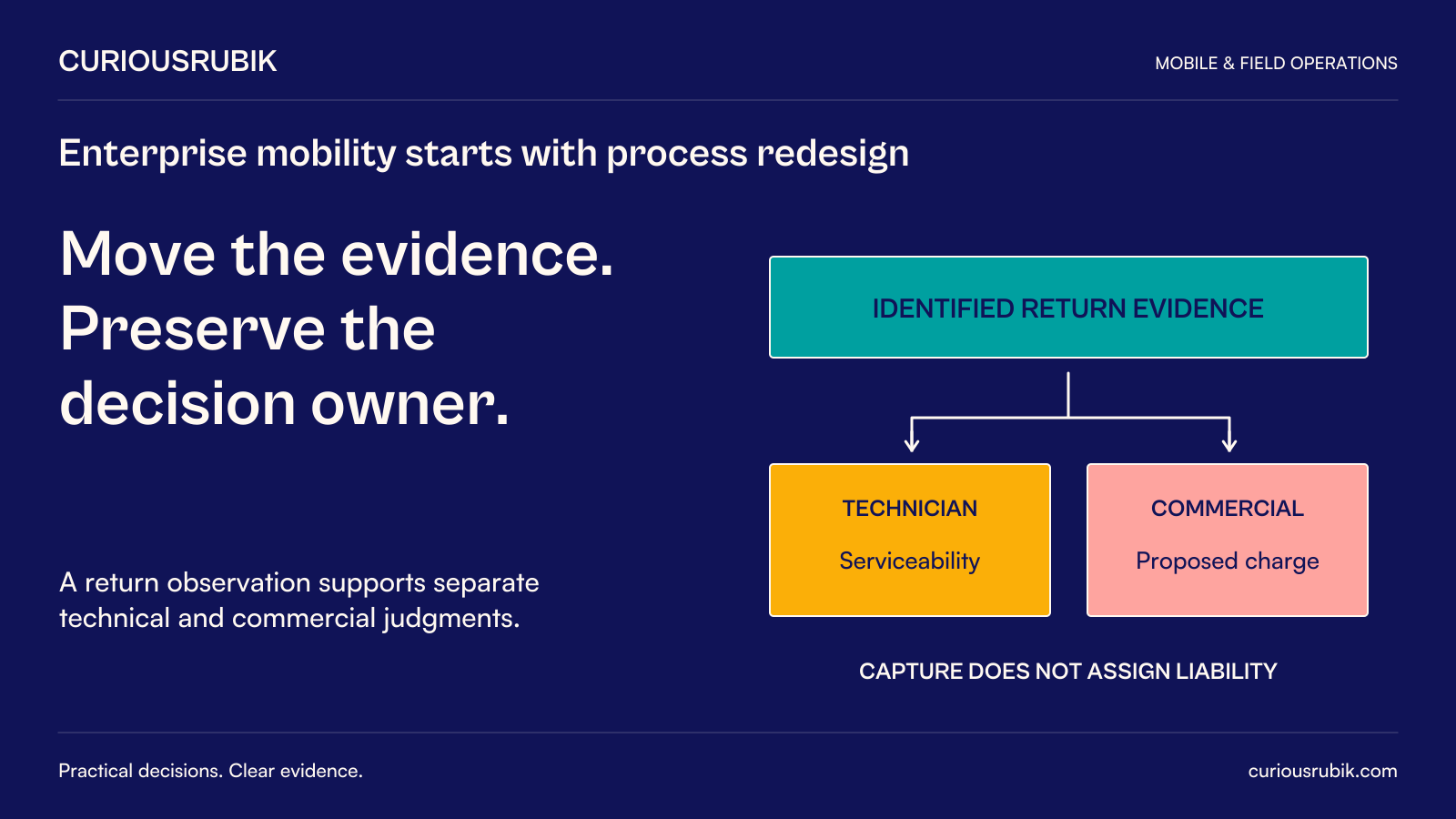
CuriousRubik poster: Move the evidence. Preserve the decision owner. Identified rental-return evidence feeds separate technician serviceability and commercial proposed-charge decisions. Capture does not assign customer liability.
  • MOBILE

Why Enterprise Mobility Is About Process Redesign, Not Smaller Screens

  • Kashvi

A mobile application changes an operation when it moves a useful decision closer to the place where work happens. Resizing an existing form can make information easier to reach, but it leaves the original delays, duplicate entry, and …

What’s on your mind?

A little context is all it takes to begin.

Please leave out passwords, payment details and confidential account data.