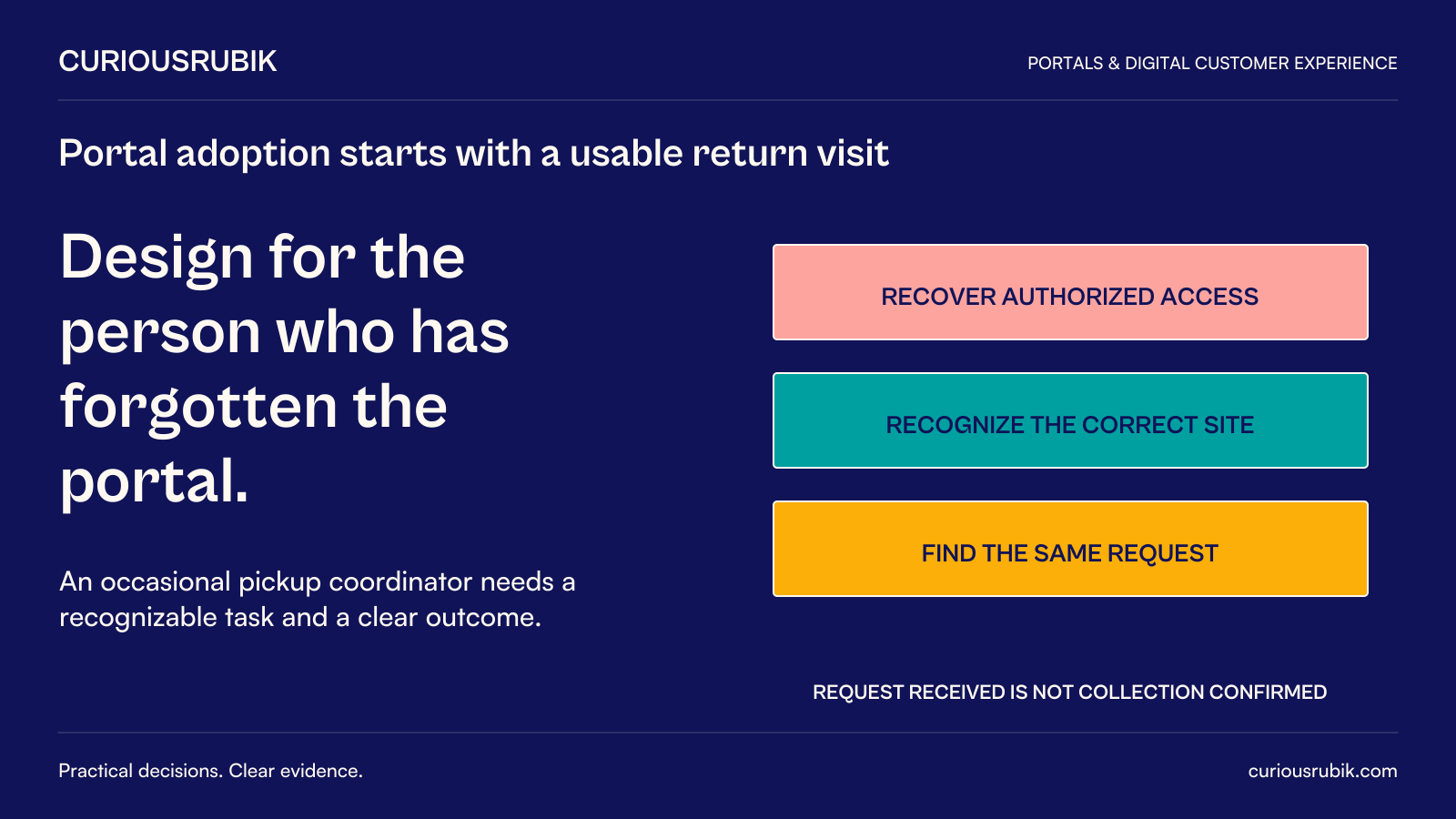
Customers and suppliers do not adopt a portal because its feature list is complete. They use it when they expect it to help them finish a task with less uncertainty or effort than the alternatives. That expectation is built through the …
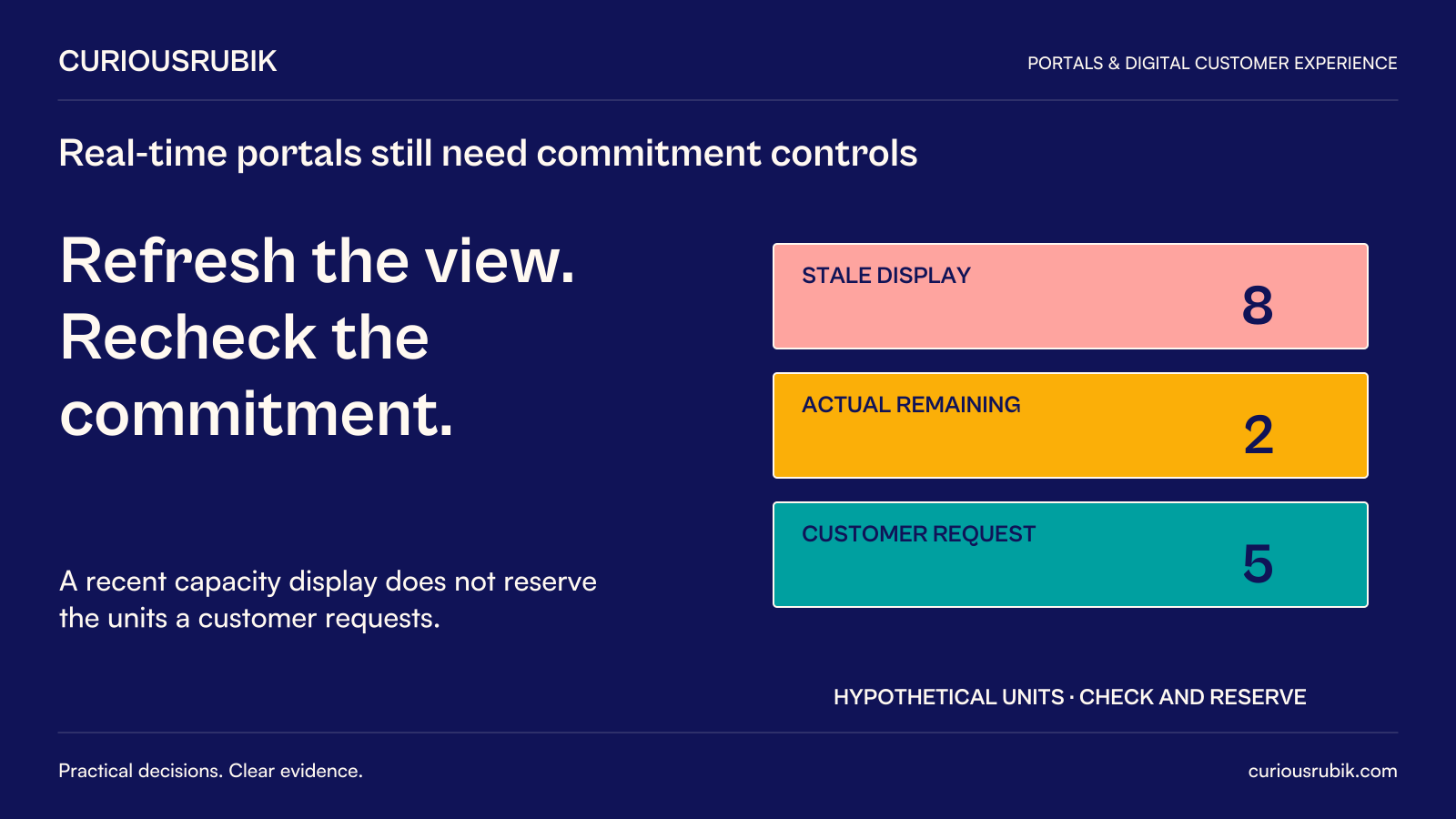
A portal can display information quickly without displaying information that is current enough for the customer’s decision. It can also display a current answer that becomes obsolete before the customer acts. These are different problems, …
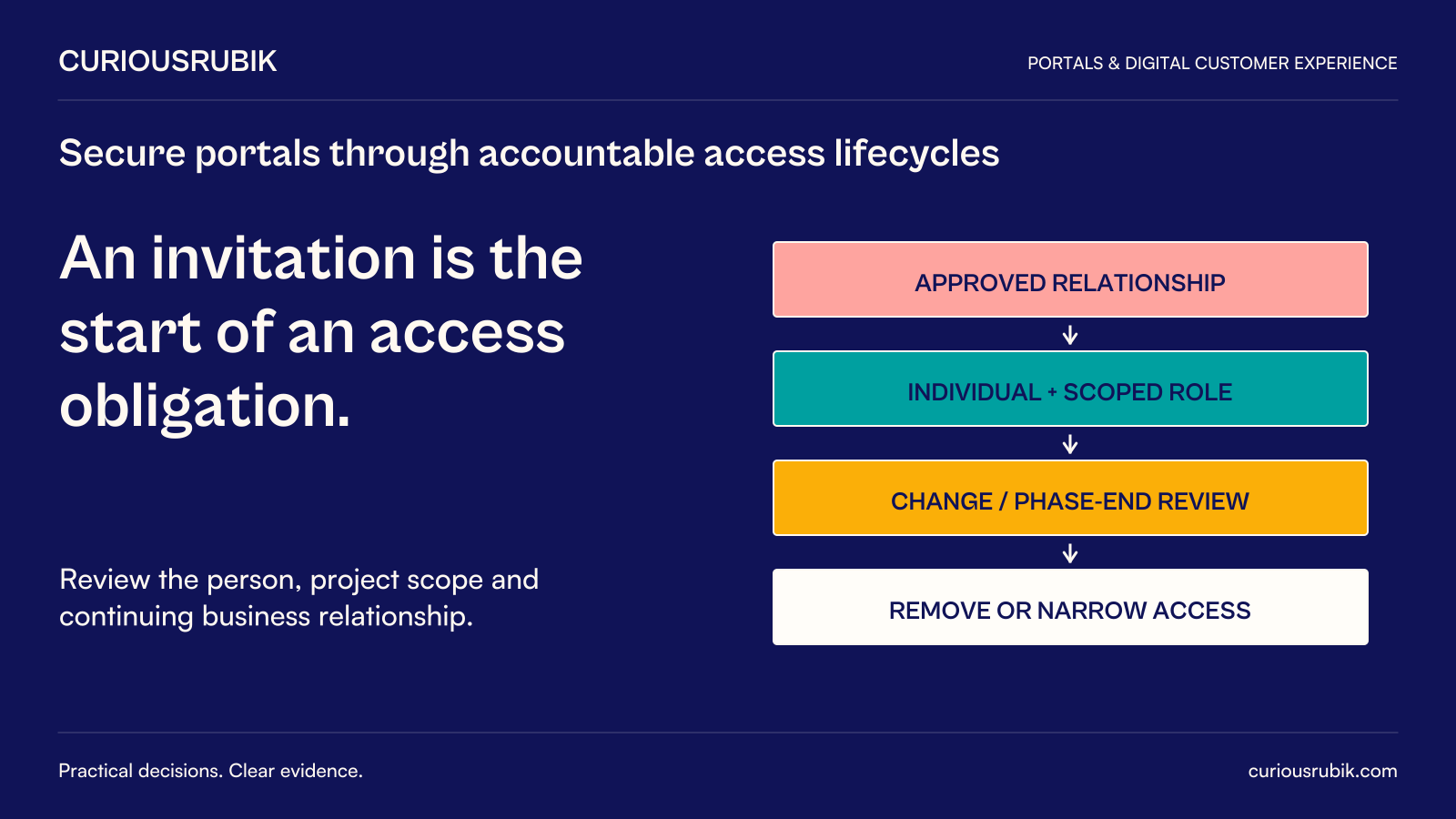
An external user can prove control of an email address without proving that they should represent a customer, supplier or project partner. That distinction is central to portal security. A successful sign-in answers only part of the …
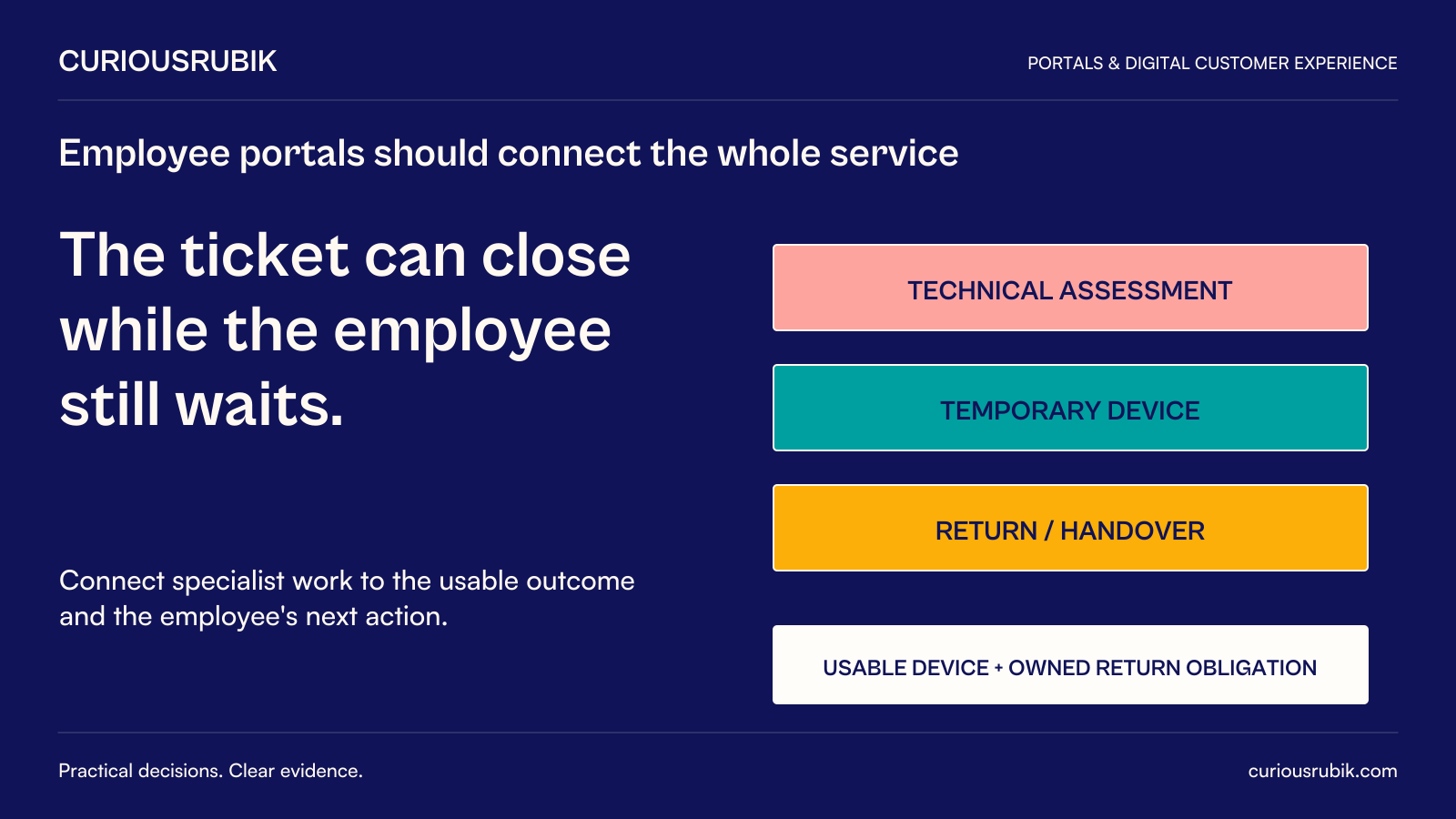
Employees do not experience the organization as a list of application owners. They experience tasks: find the right policy, request something needed for work, resolve a problem and understand what is waiting for their action. A portal can …
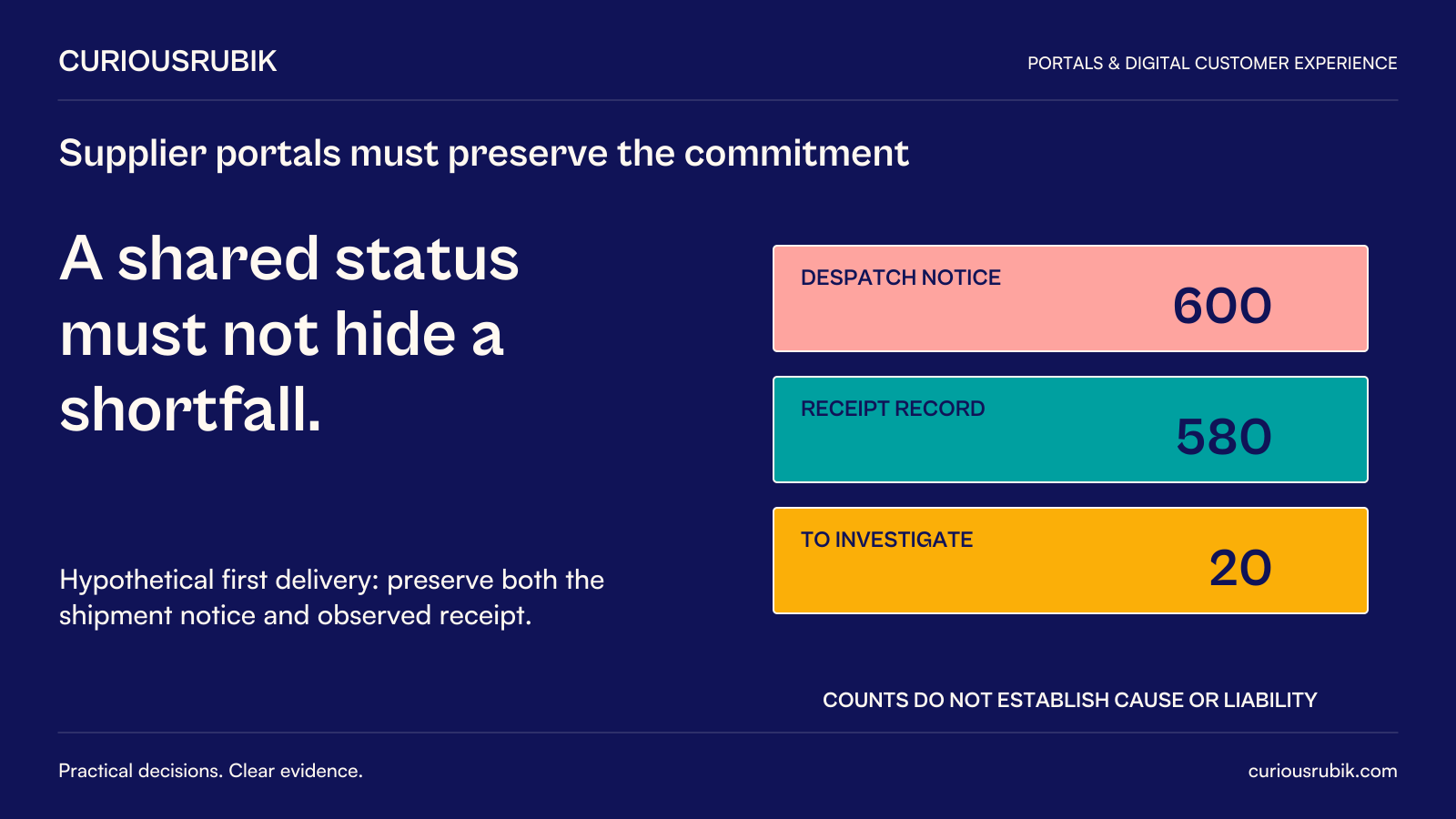
Procurement teams often spend time reconstructing what a supplier has actually committed to deliver. The purchase order says one date, an email proposes another and a shipment notice describes only part of the quantity. A shared portal can …
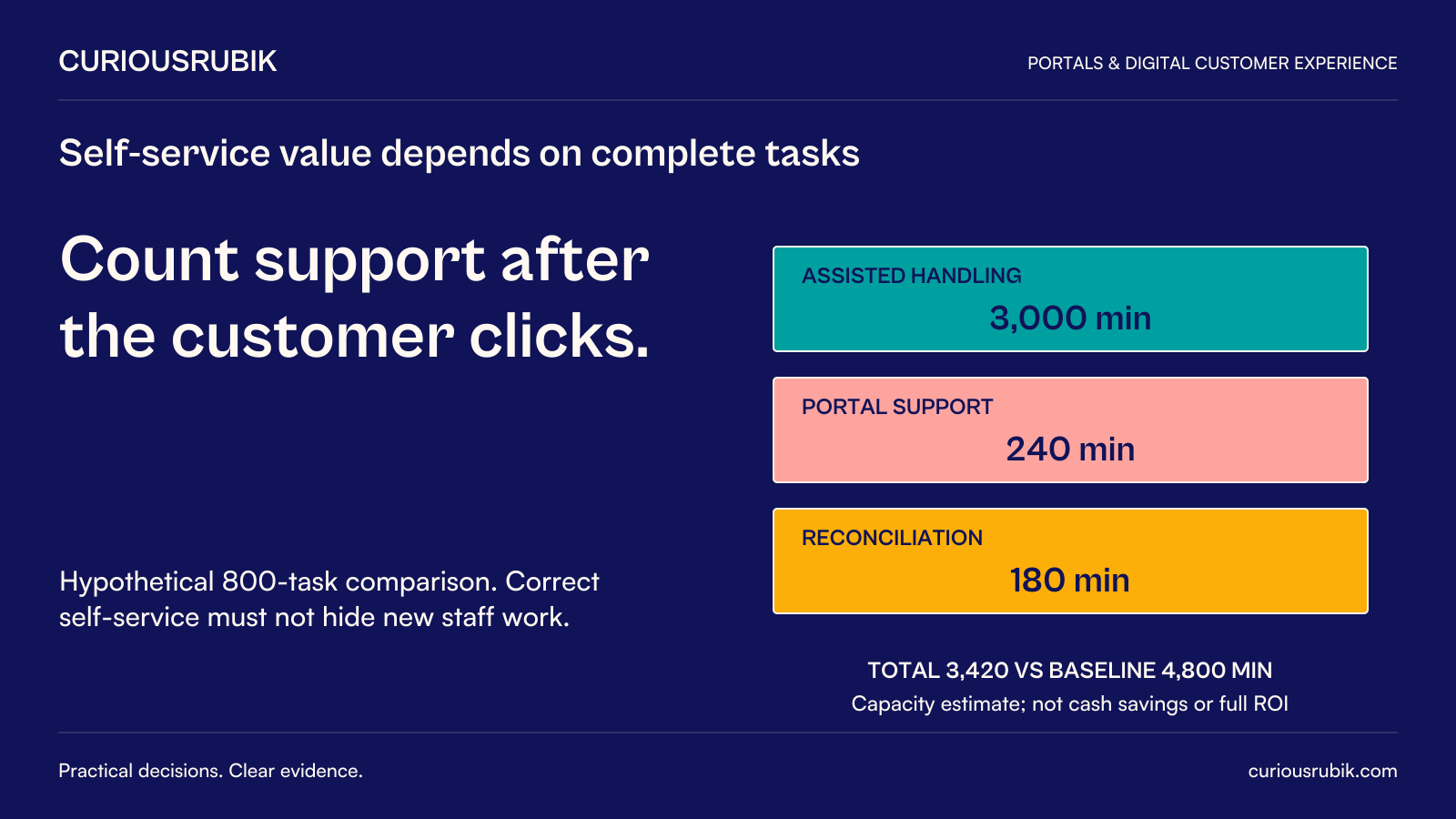
A customer portal can reduce service workload when it removes the need for avoidable assistance. It can also increase workload by creating unclear statuses, rejected submissions and customers who contact support to check whether the …
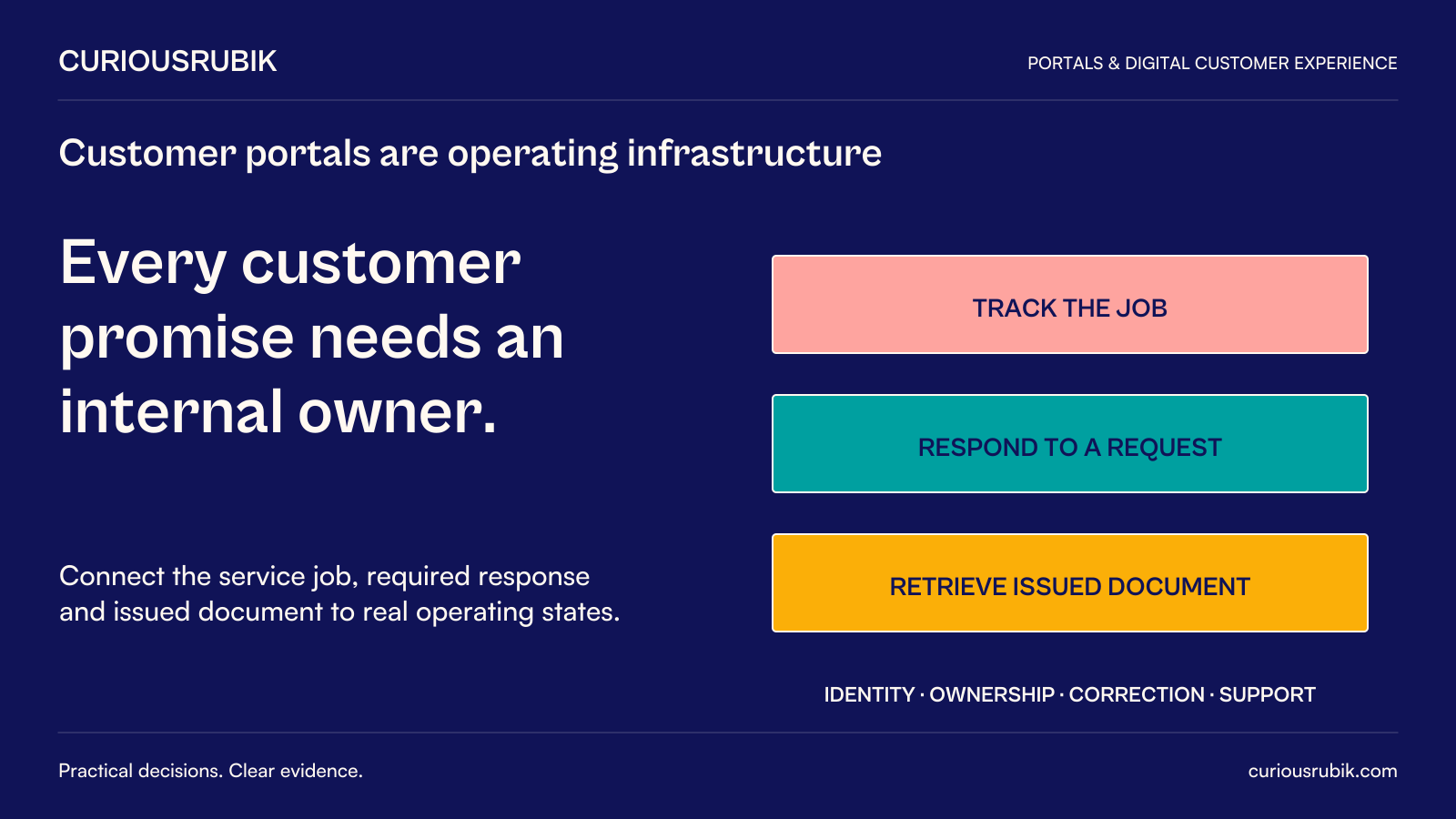
A portal becomes business infrastructure when customers, suppliers or employees depend on it to complete recurring work. At that point, it is no longer just another website. Its status information influences decisions, its forms create …
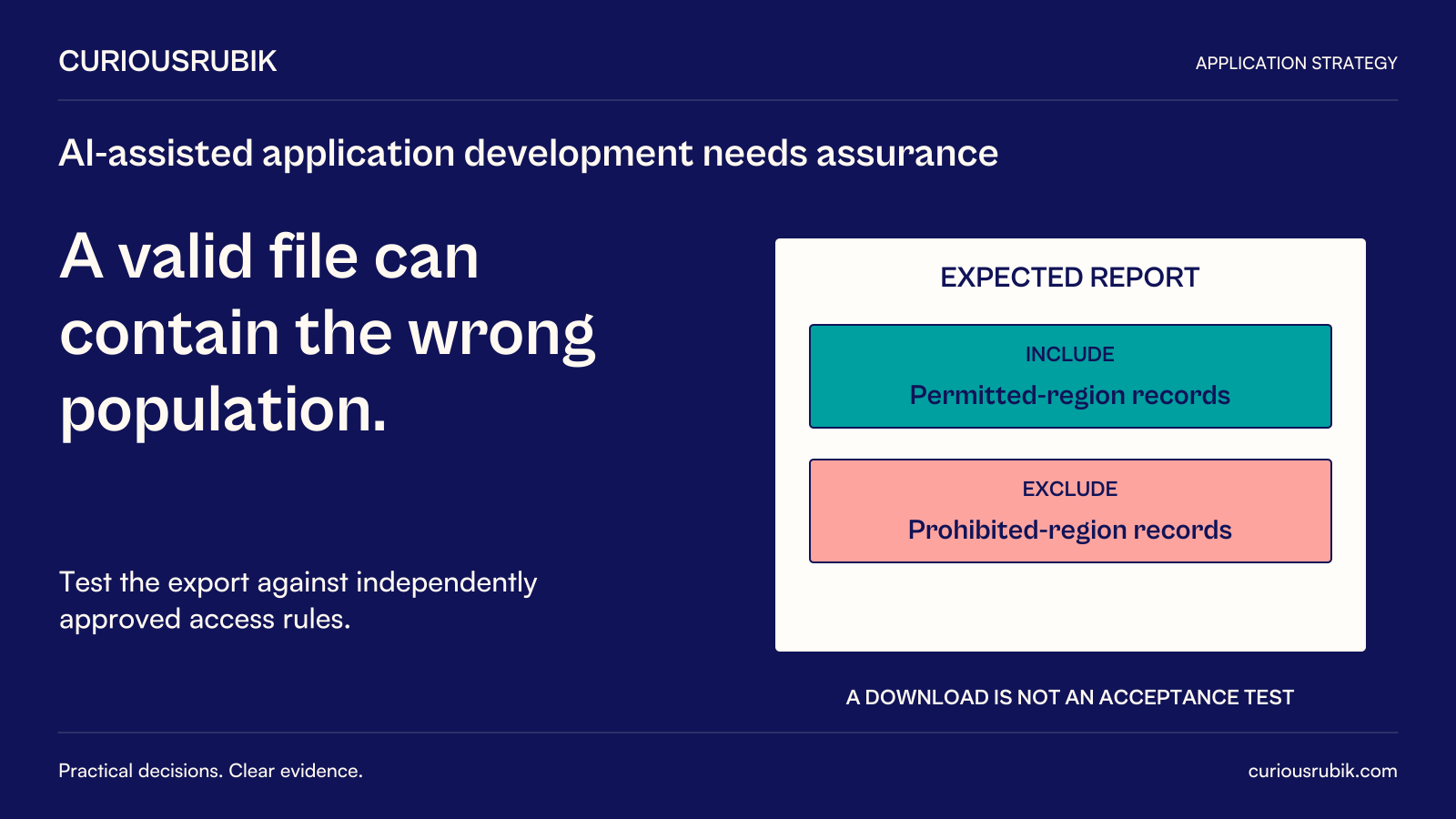
AI-assisted development changes the cost of producing a plausible implementation. It does not remove the need to decide what the application should do, prove that it behaves correctly or maintain it after release. For enterprise leaders, …
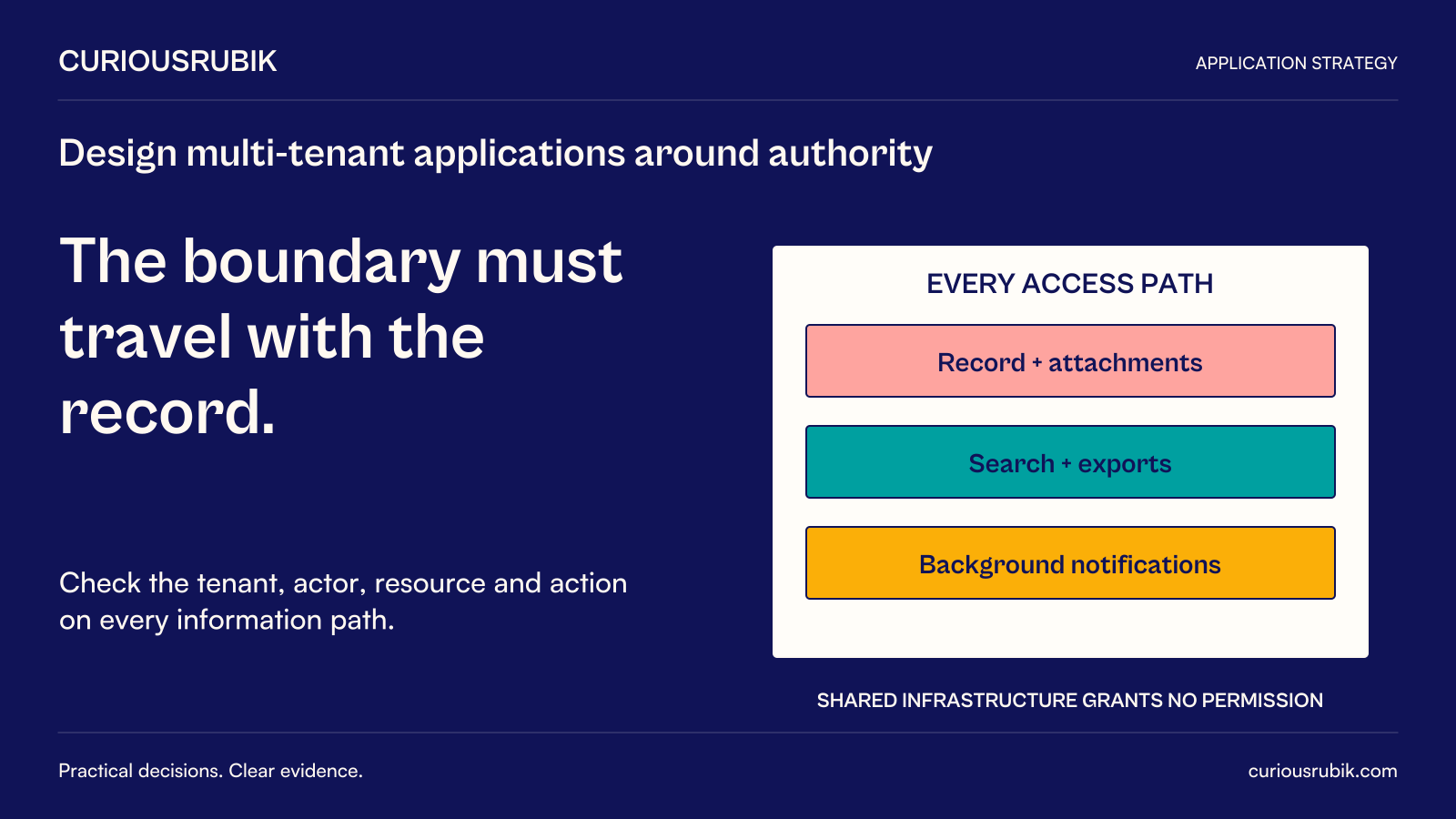
A multi-tenant application serves more than one customer organization through some shared technology. The commercial attraction is clear: common capabilities can be maintained together. The security obligation is equally important: sharing …
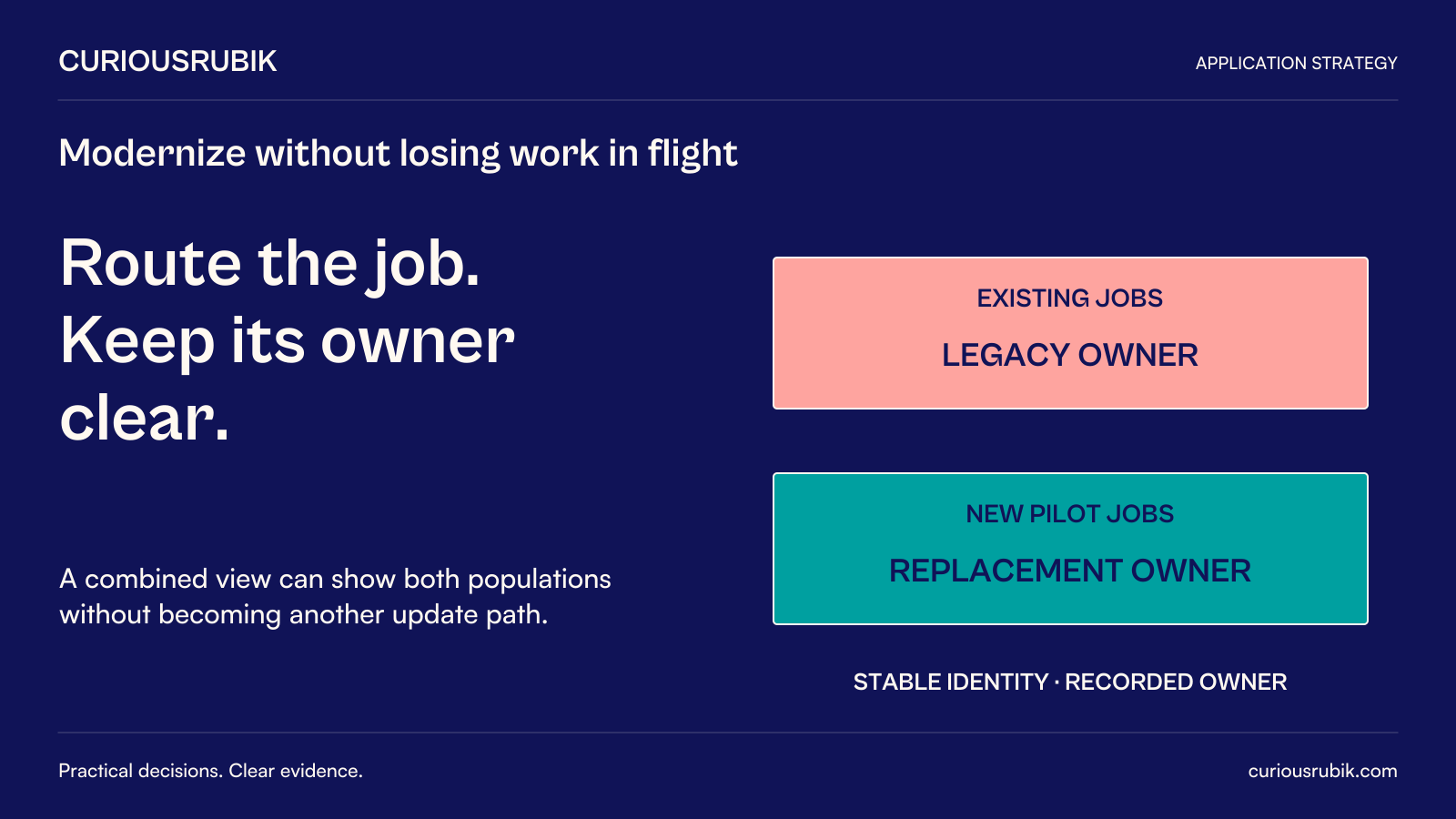
The difficult part of replacing a legacy application is often the period when the business must depend on both the old and the new. Work is already in progress. Downstream systems expect familiar identifiers and messages. Employees know …