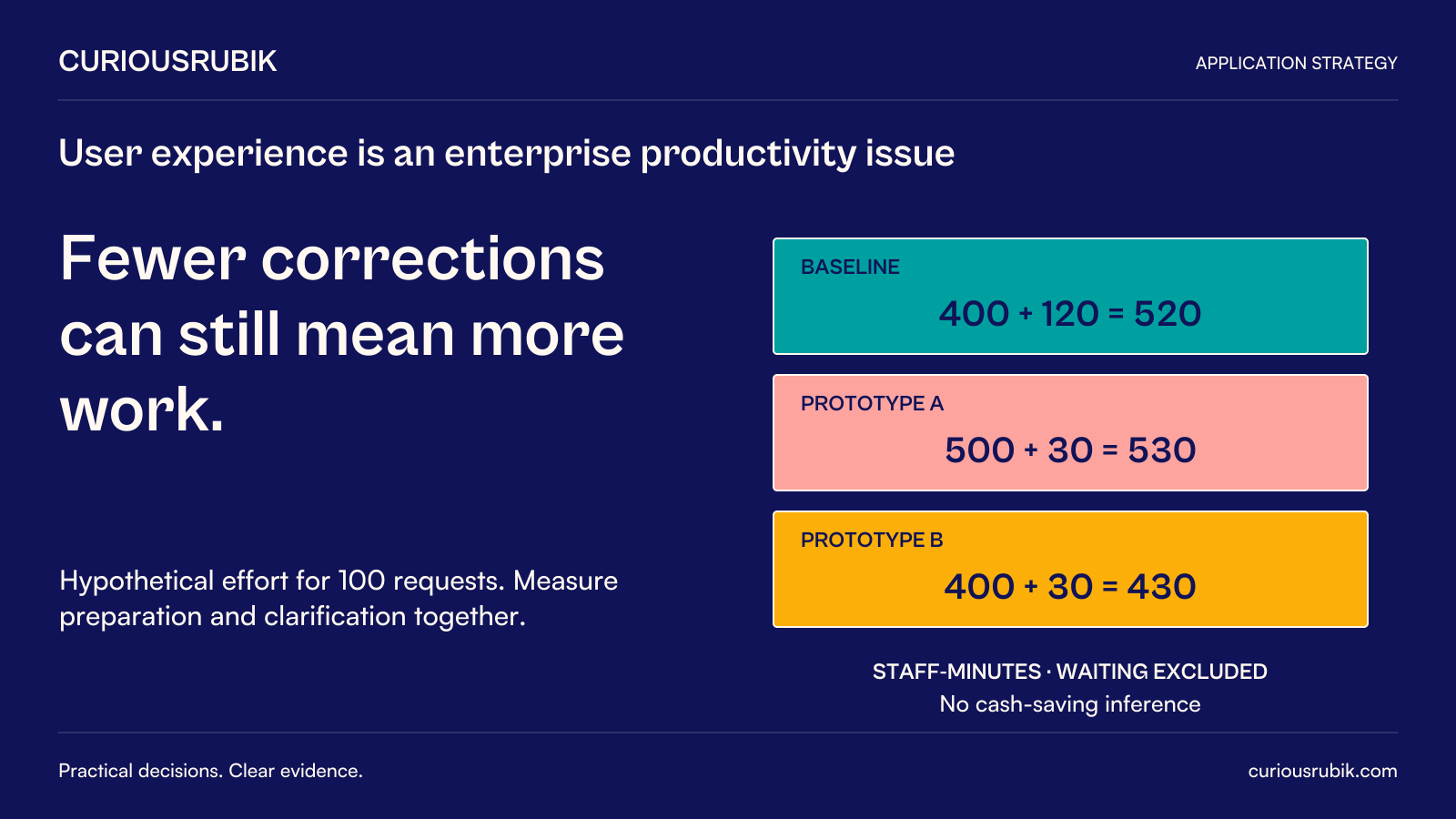
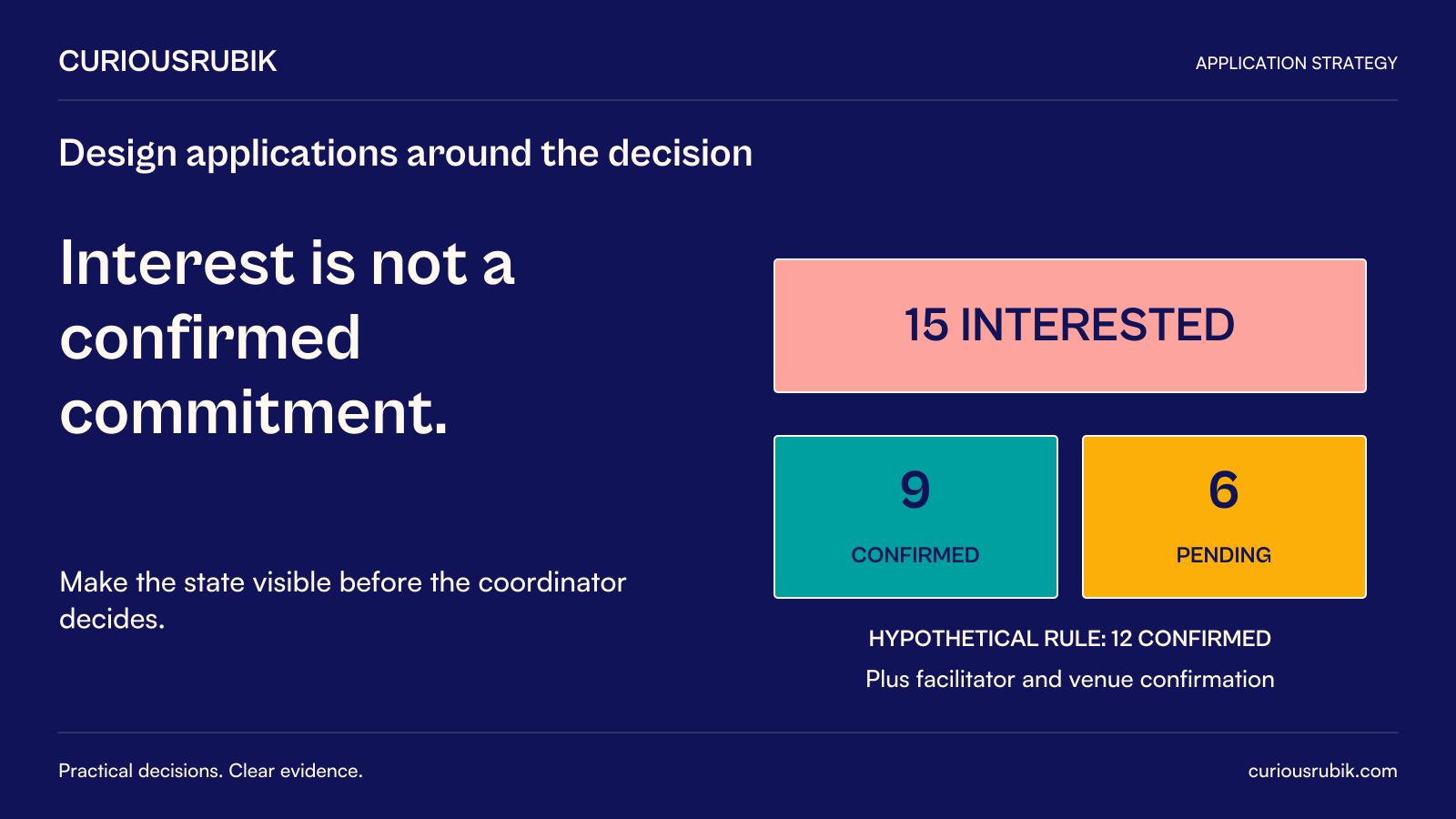
An employee can complete a screen quickly and still leave expensive work behind. A request may contain the wrong account, an ambiguous quantity or an attachment that another team cannot interpret. The interface records a successful …
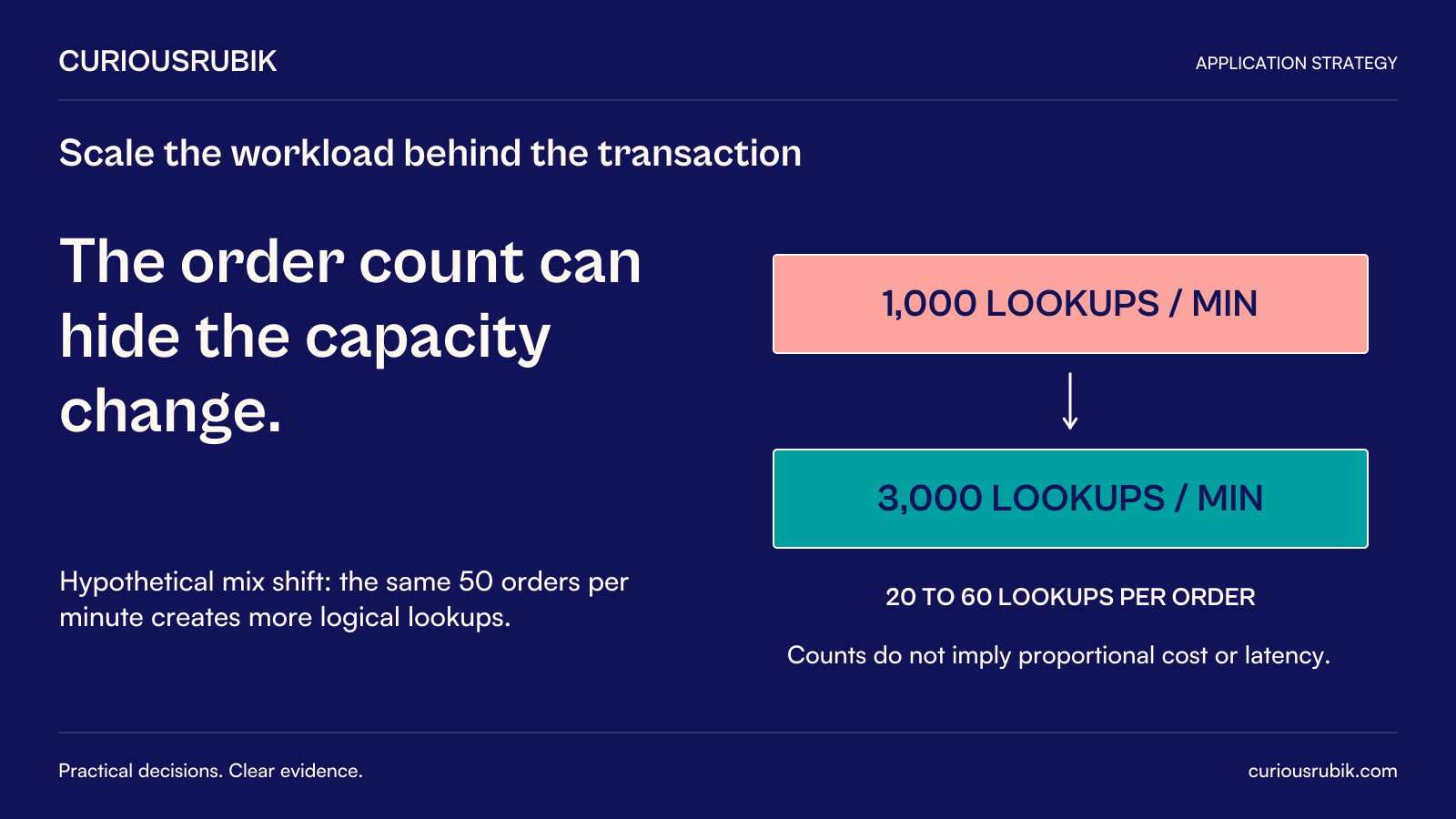
A growth plan rarely arrives as a clean requirement to double application traffic. The business adds larger customers, more complicated orders, longer operating hours and new reporting obligations. Transaction volume may rise modestly …
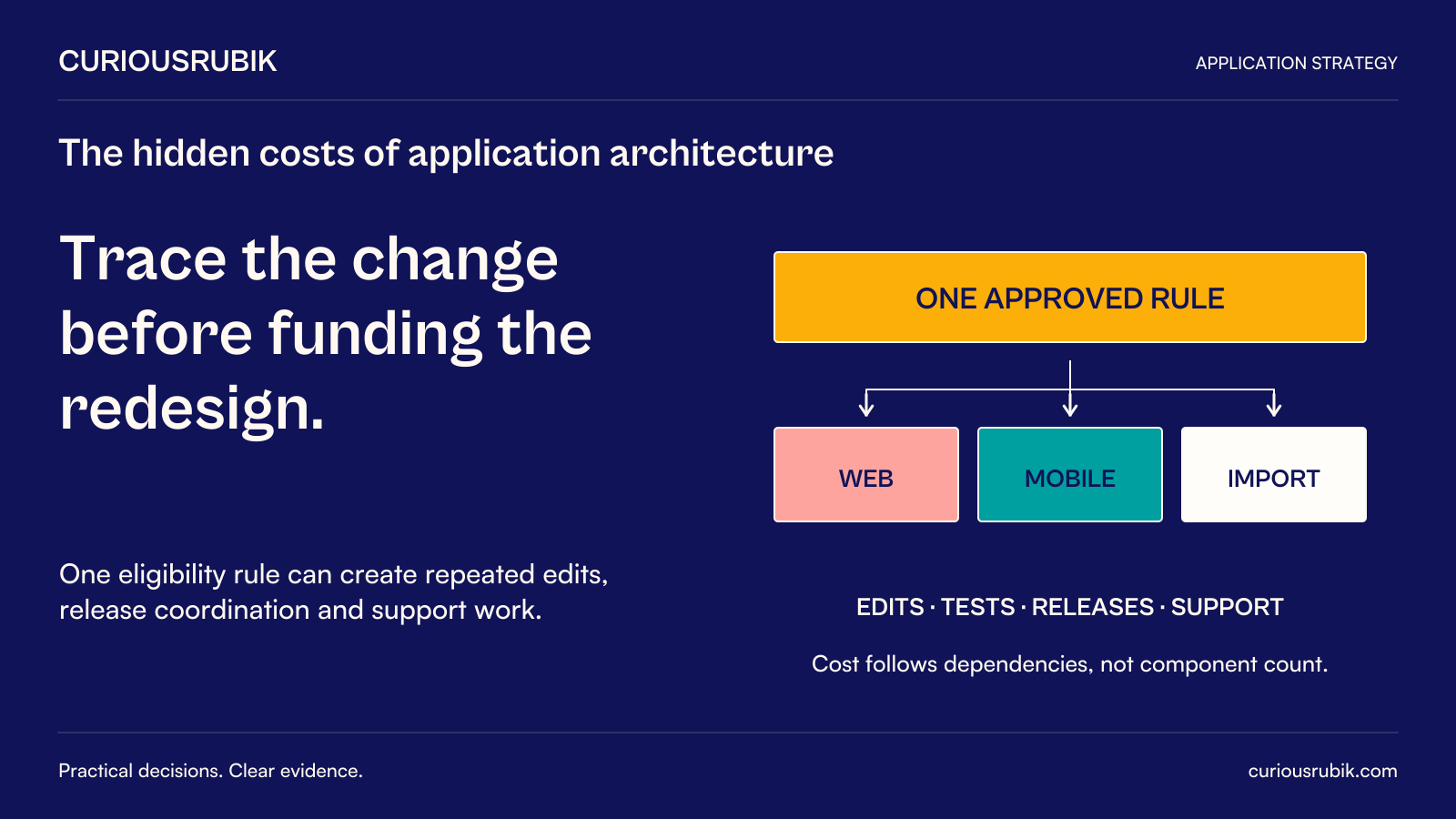
An application’s architecture appears in business costs long before anyone proposes a rewrite. A modest rule change requires several teams to coordinate releases. An incident takes hours to locate because responsibility is unclear. A new …
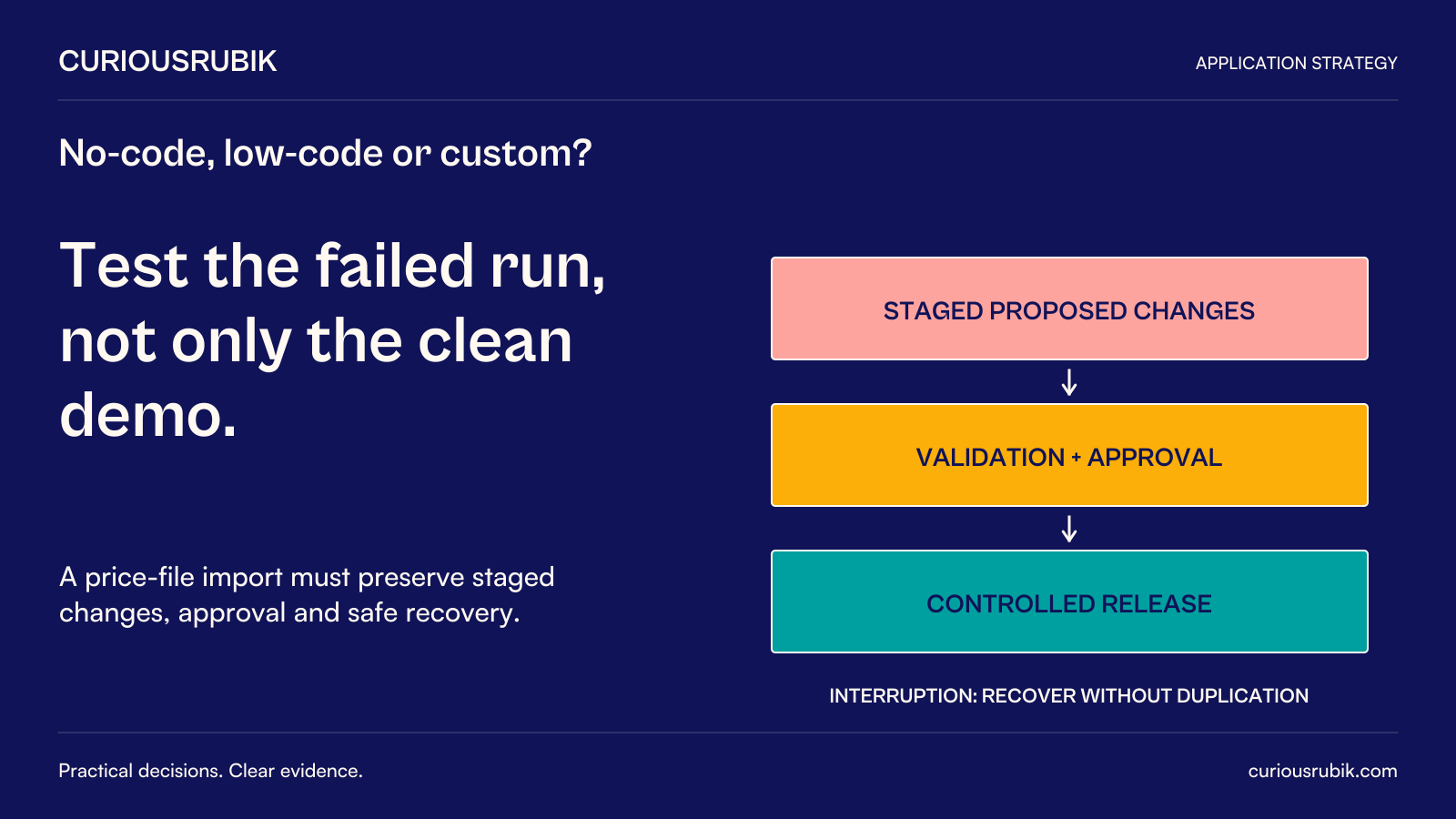
The most revealing platform demonstration is often a change made after the first application works. Can the team modify a rule, test it independently, promote it through environments and recover if the change fails? Can another person …
A business outcome becomes useful to an application team only when it changes a design decision. “Improve productivity” does not tell a designer which task to simplify, a developer which state transition to protect or a tester what result …
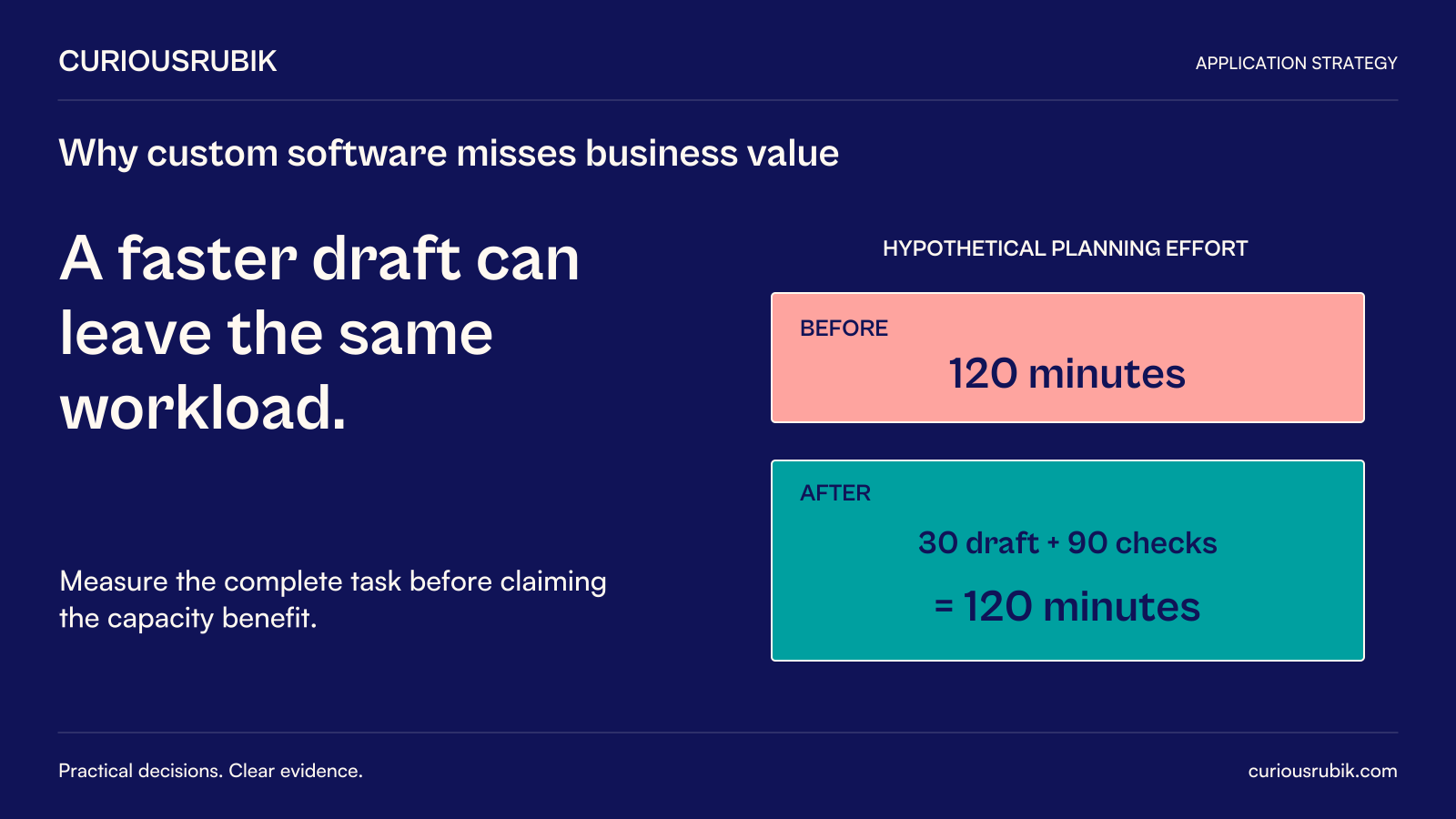
Custom software can perform exactly as requested while changing very little about the business. A dashboard is delivered, but the decision still happens in a spreadsheet. A planning tool produces recommendations, but employees must …
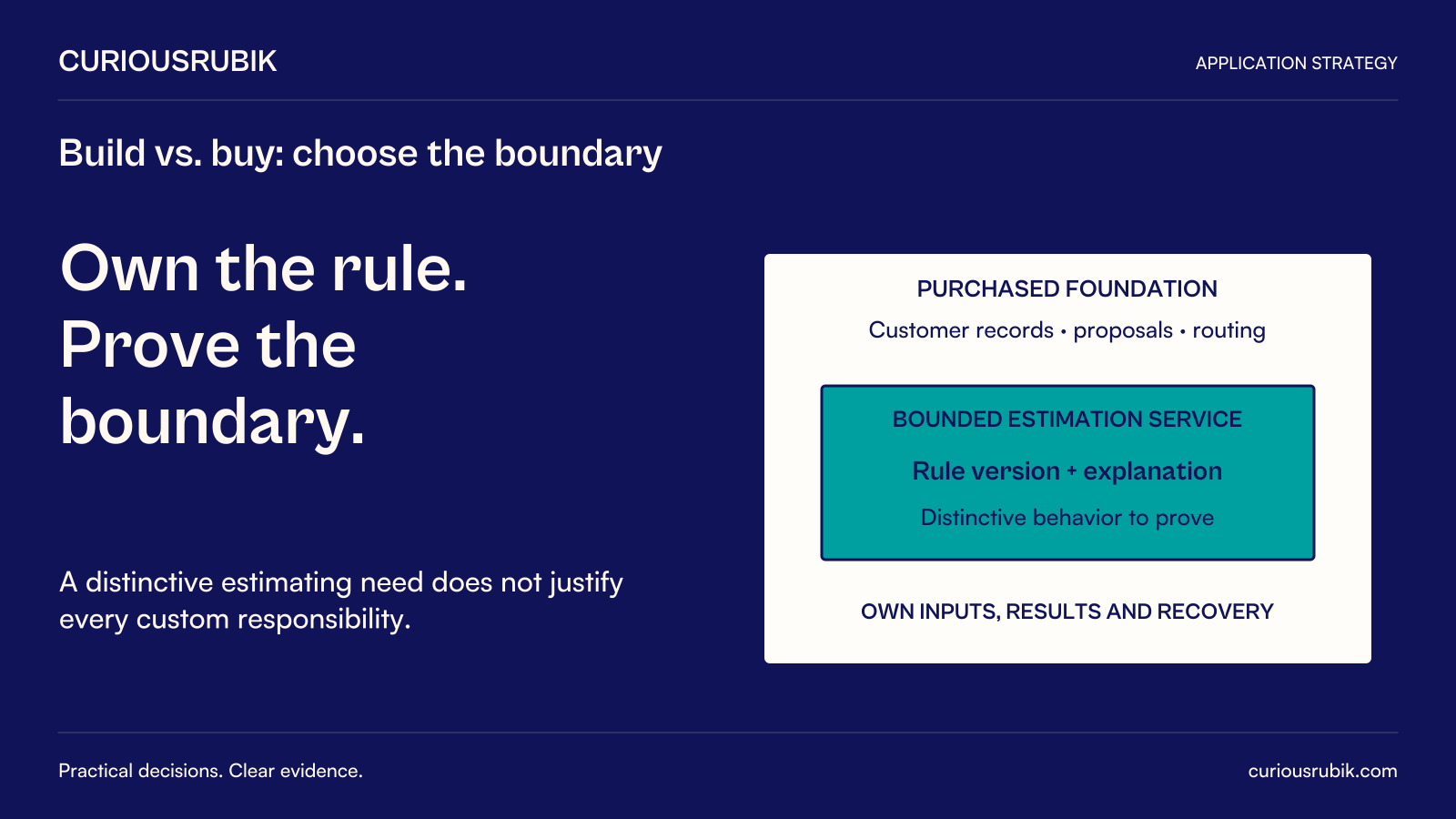
The first build-versus-buy decision is the boundary of the capability. A business may need control over a distinctive calculation or workflow without needing to own an entire application suite. Treating the choice as “buy everything” or …
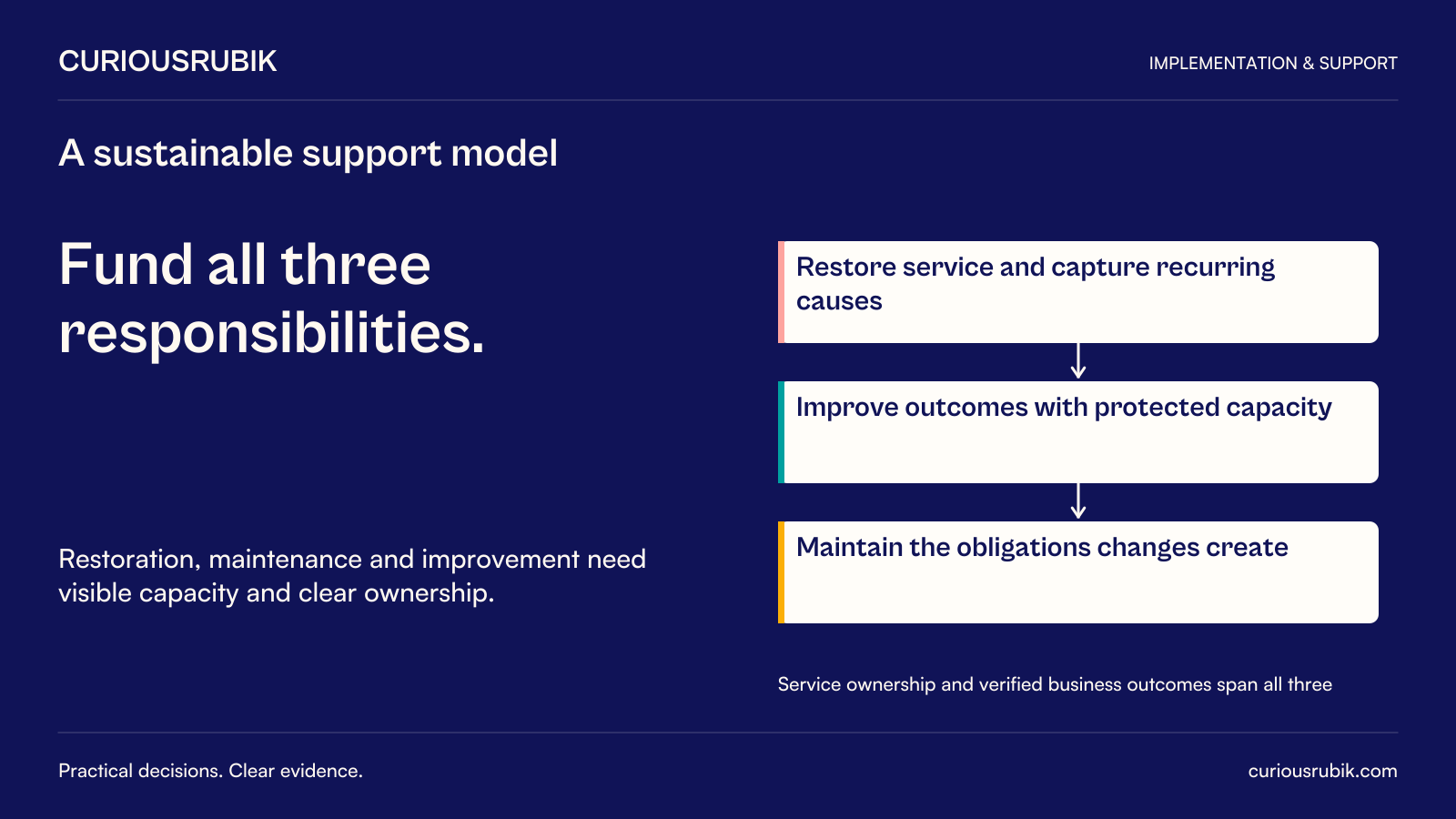
After implementation, application work does not disappear. It changes shape. Incidents interrupt the day, updates require testing, users request improvements, business rules evolve, and integrations need attention. If all of that work …
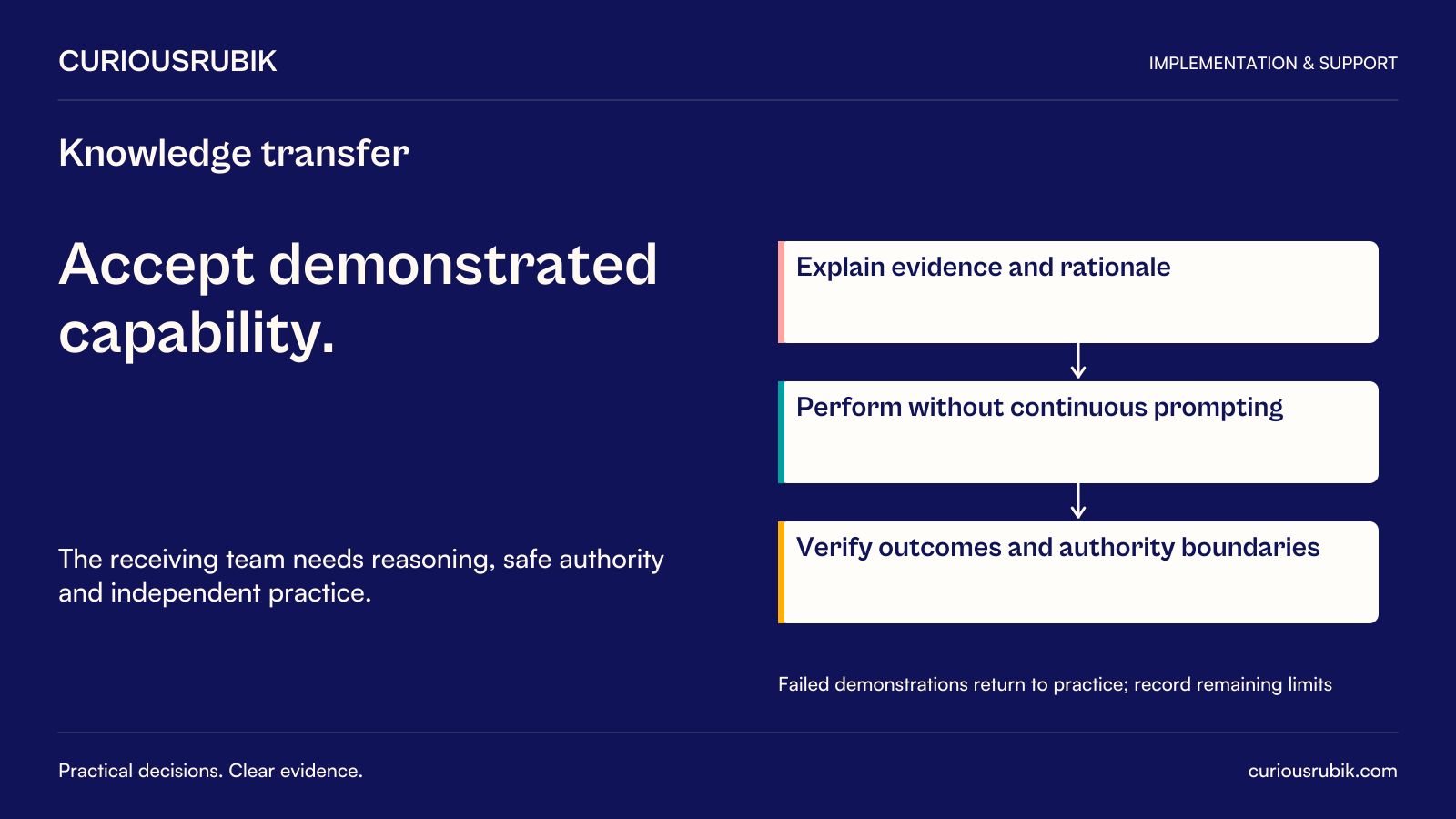
A support team can receive every design document and still be unable to resolve the first unfamiliar incident. The missing knowledge is often practical: which record is authoritative, why a rule exists, what a status really means, and …
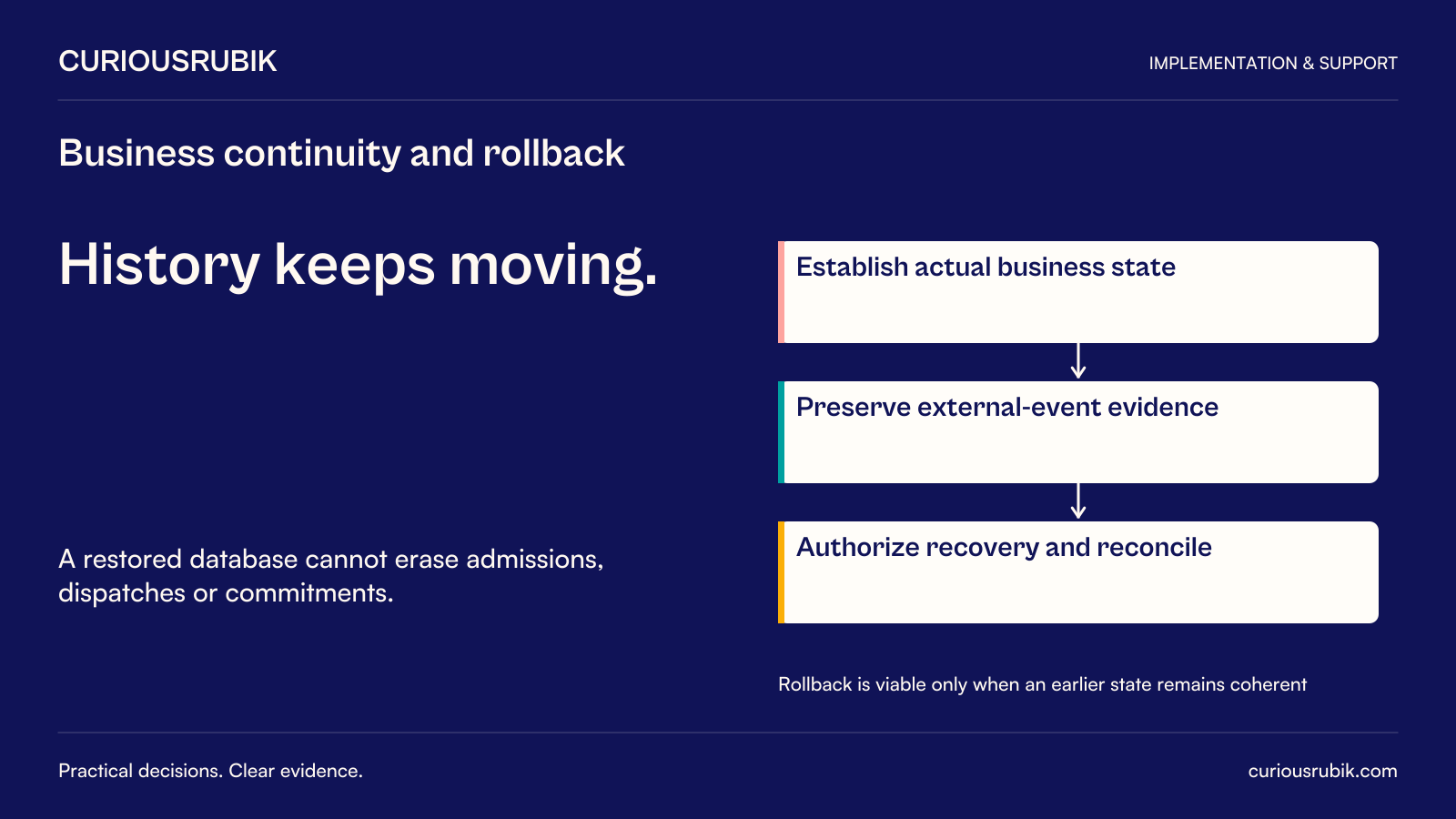
A backup can restore yesterday’s database. It cannot undo a truck that has left, a customer who has entered a venue, or a message that has created an expectation. After a system change, the technical state and the business’s real-world …