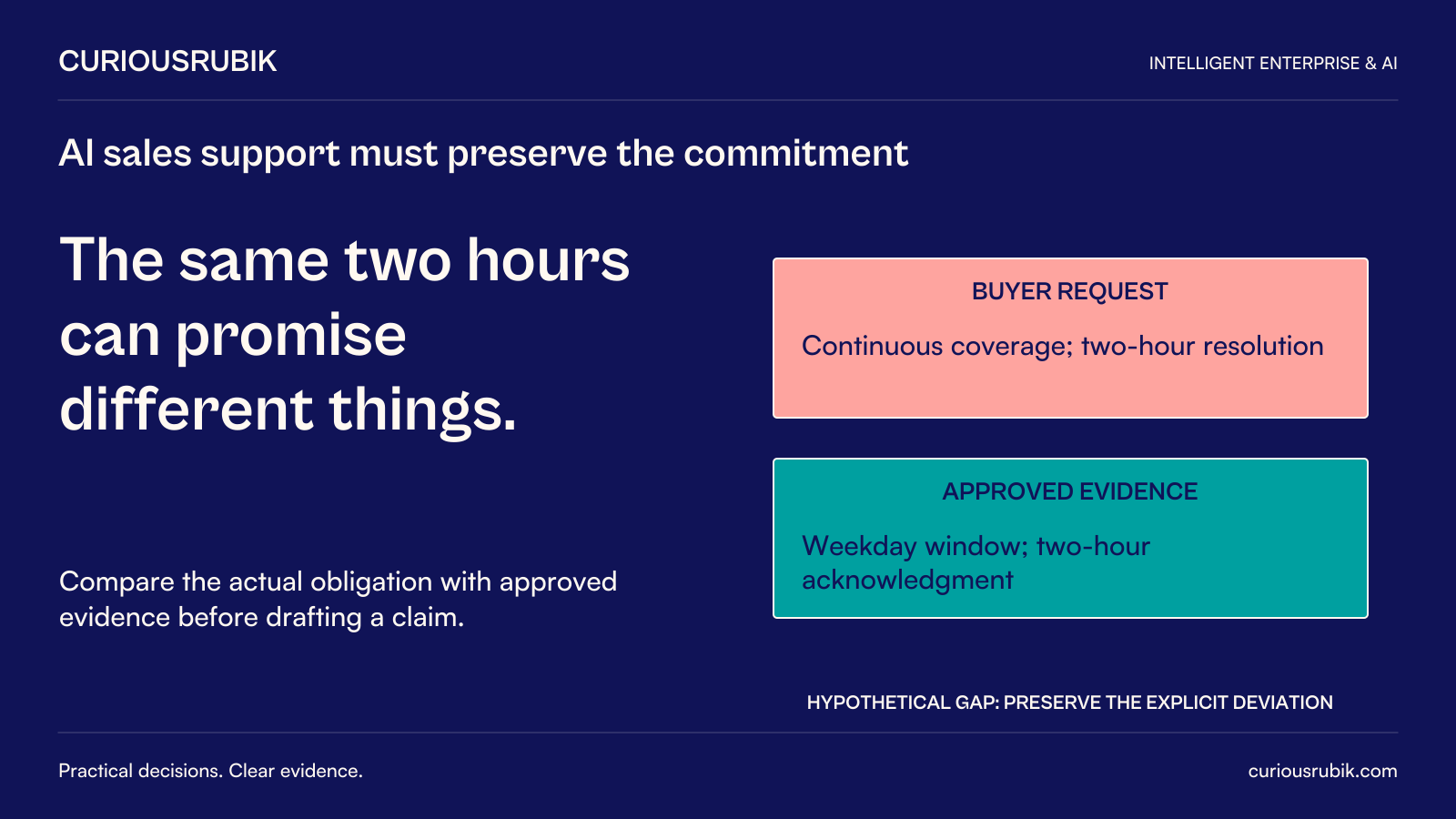
AI can change sales operations by making complex customer requirements easier to organize and answer. In request-for-proposal work, it may help identify obligations, locate approved evidence, and prepare a coherent response. The commercial …
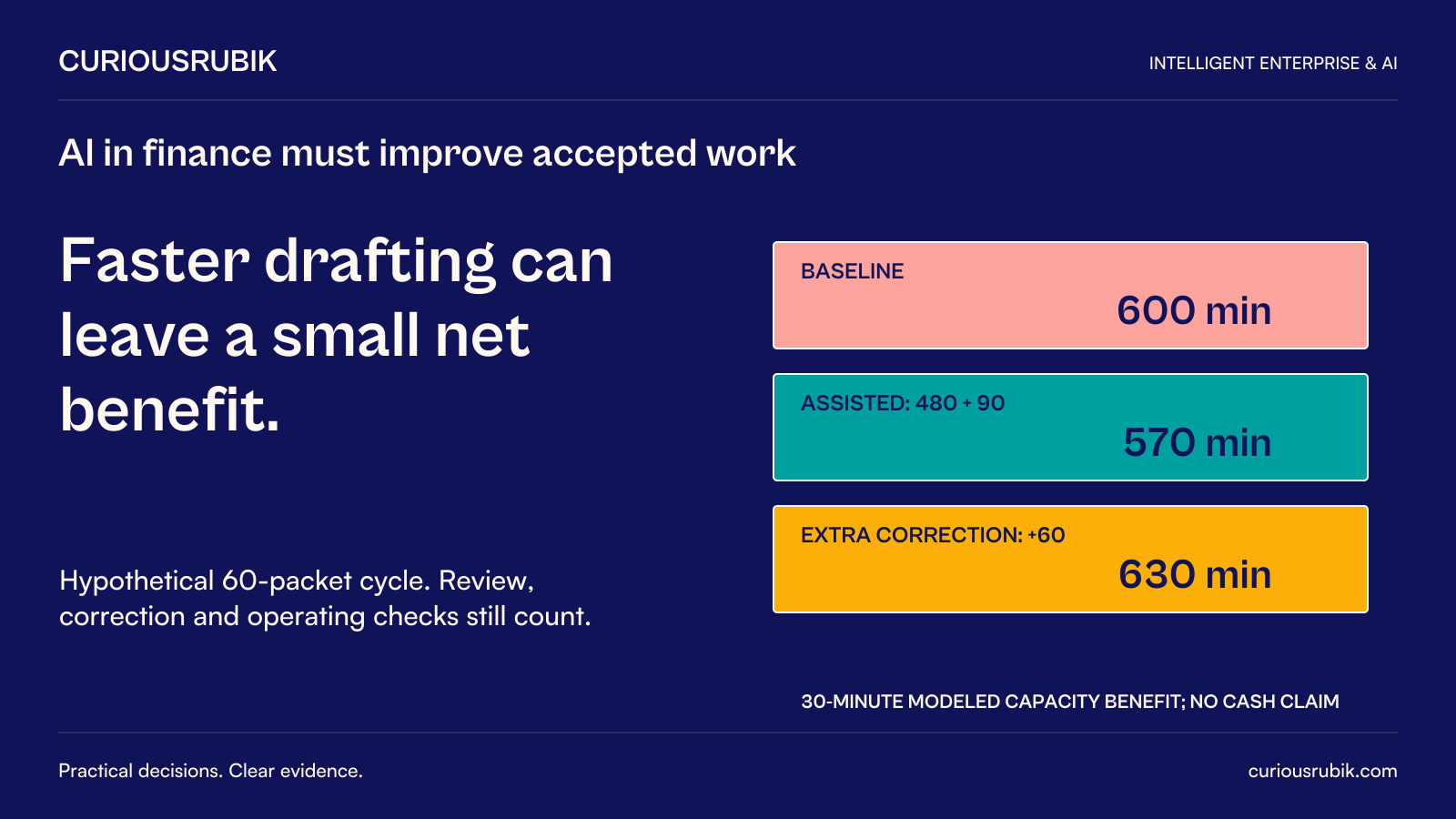
AI can create measurable value in finance when it reduces the effort of interpreting unstructured information, preparing reviewable work, or identifying cases that deserve investigation. The benefit must survive verification, correction, …
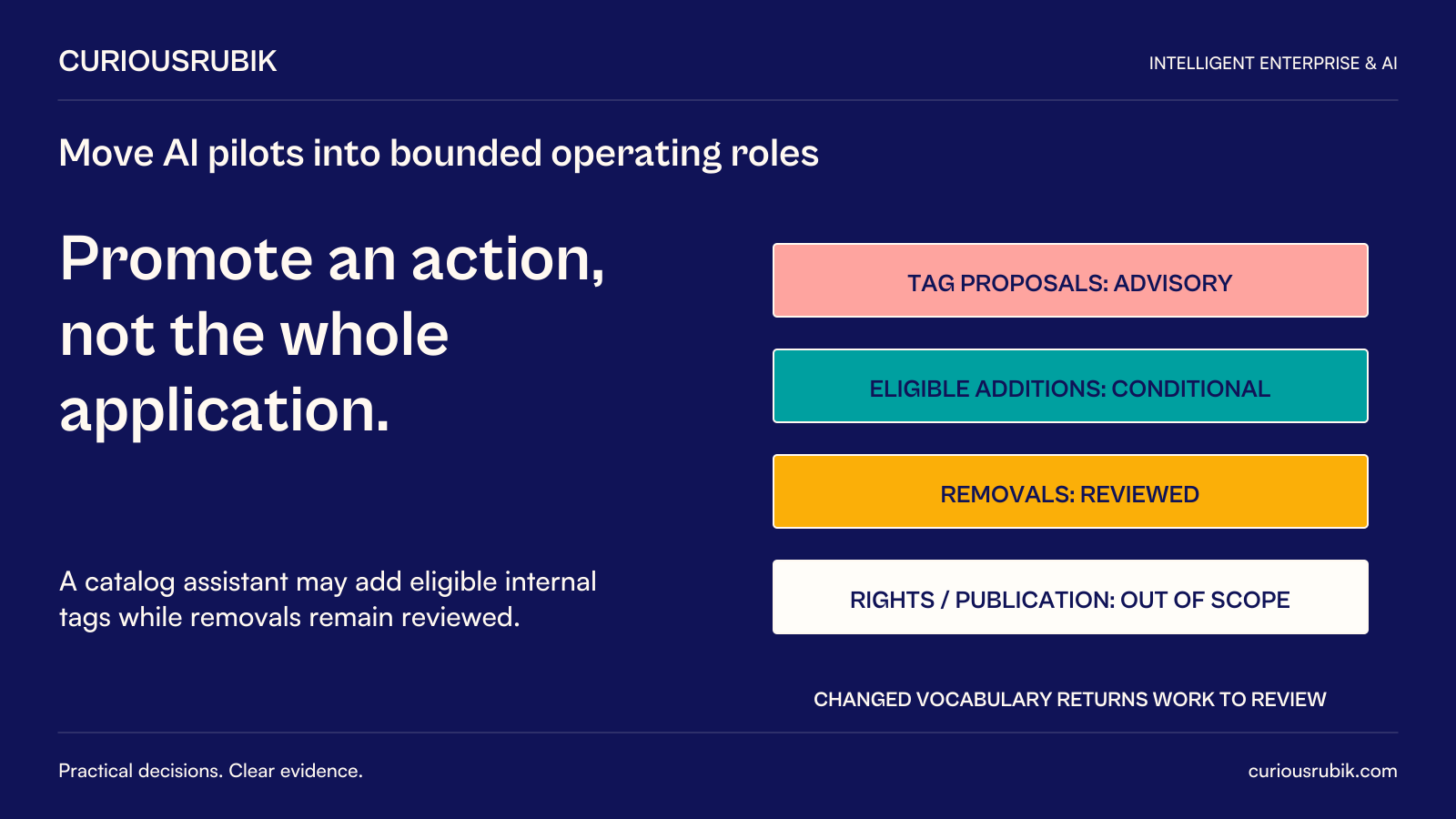
Moving from a copilot to an autonomous workflow means granting software more authority over a defined task. It should be an evidence-based operating decision, not a default next stage after employees become comfortable with suggestions. …
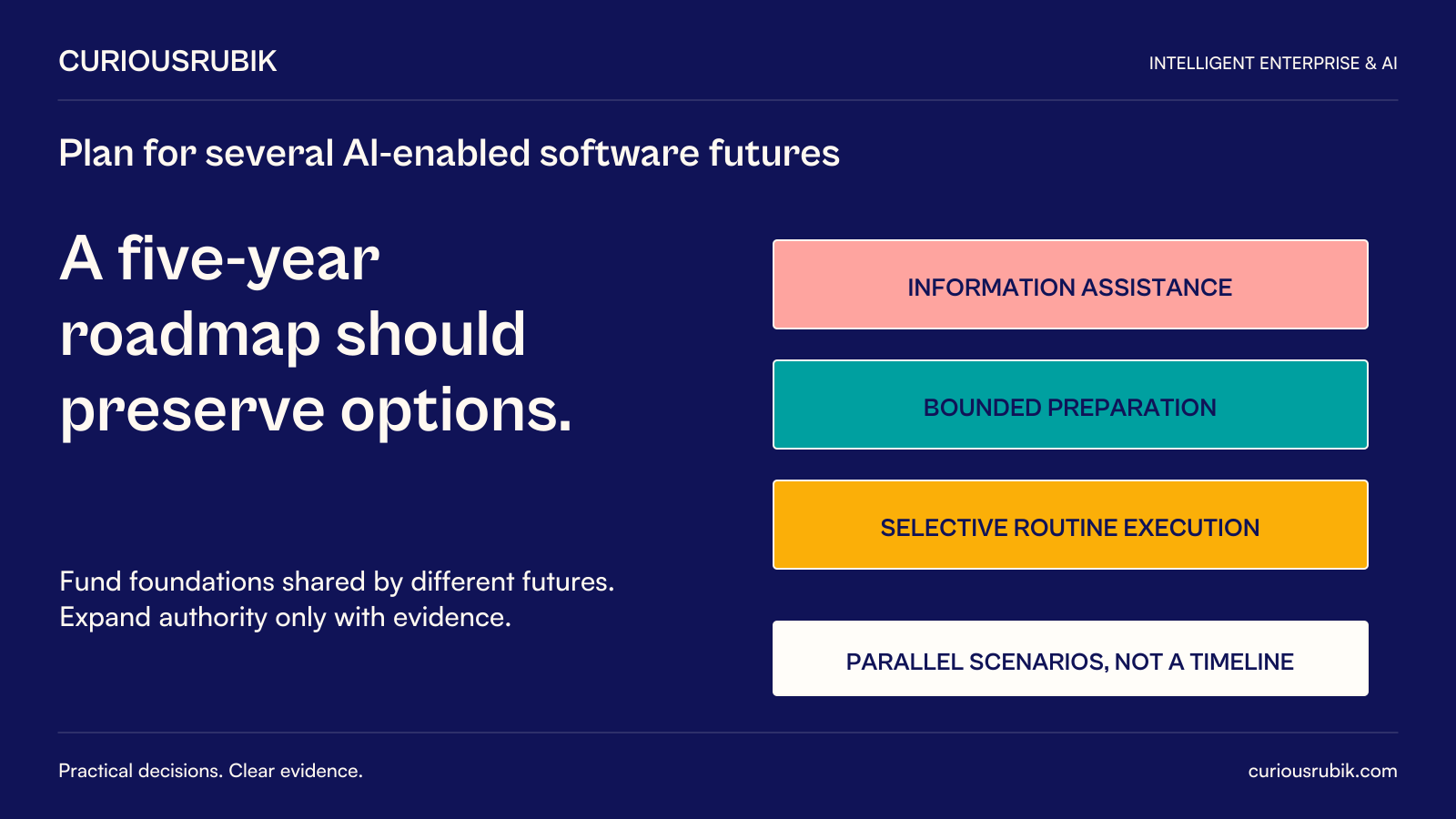
AI is likely to change enterprise software through easier interaction, faster preparation of information, and more adaptive coordination between tasks. The pace and extent of those changes remain uncertain. A useful five-year strategy …
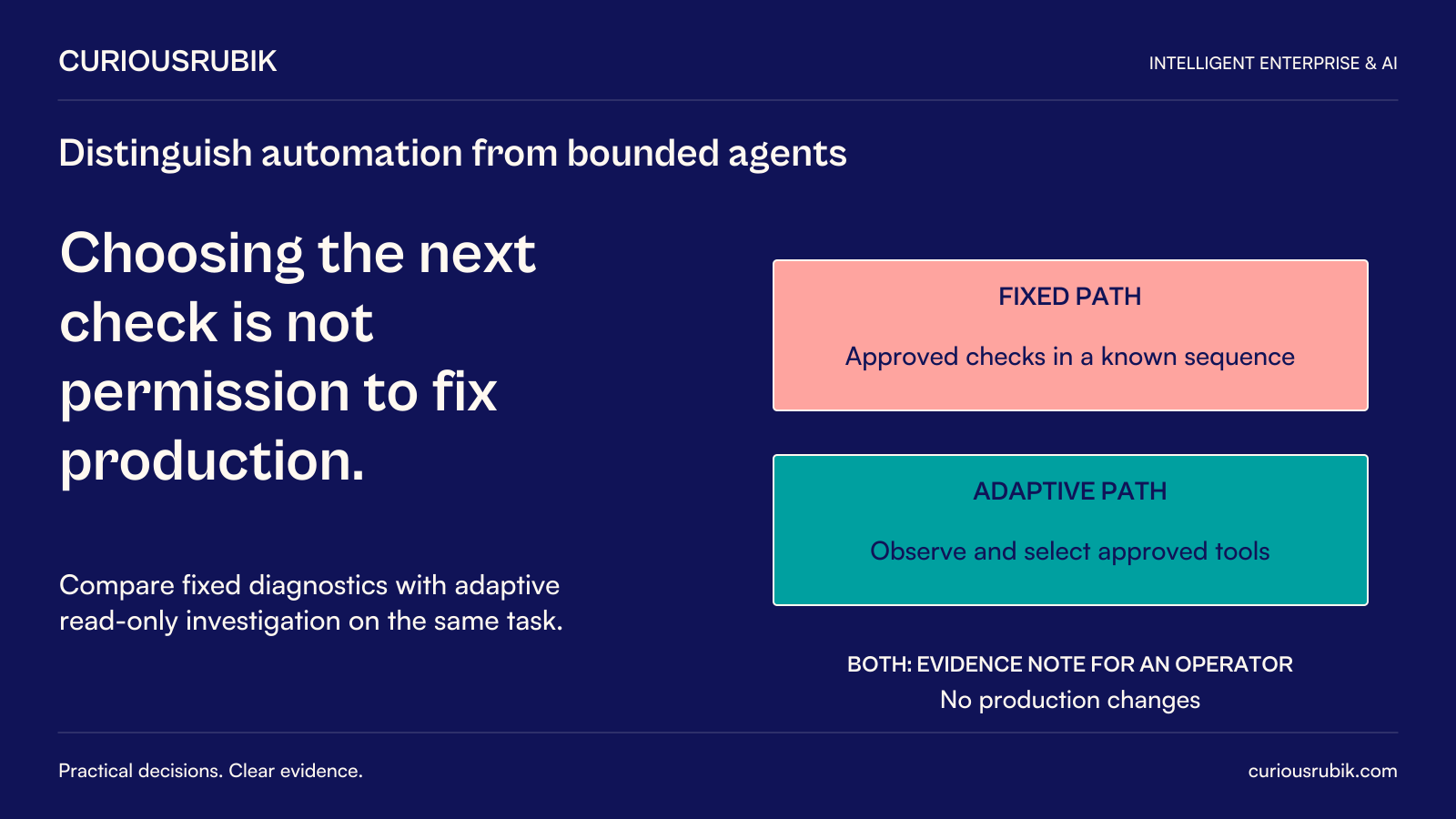
Traditional automation usually follows a workflow whose permitted paths are specified in advance. An AI agent, as the term is used here, can select its next step from available tools or actions in response to what it observes. The useful …
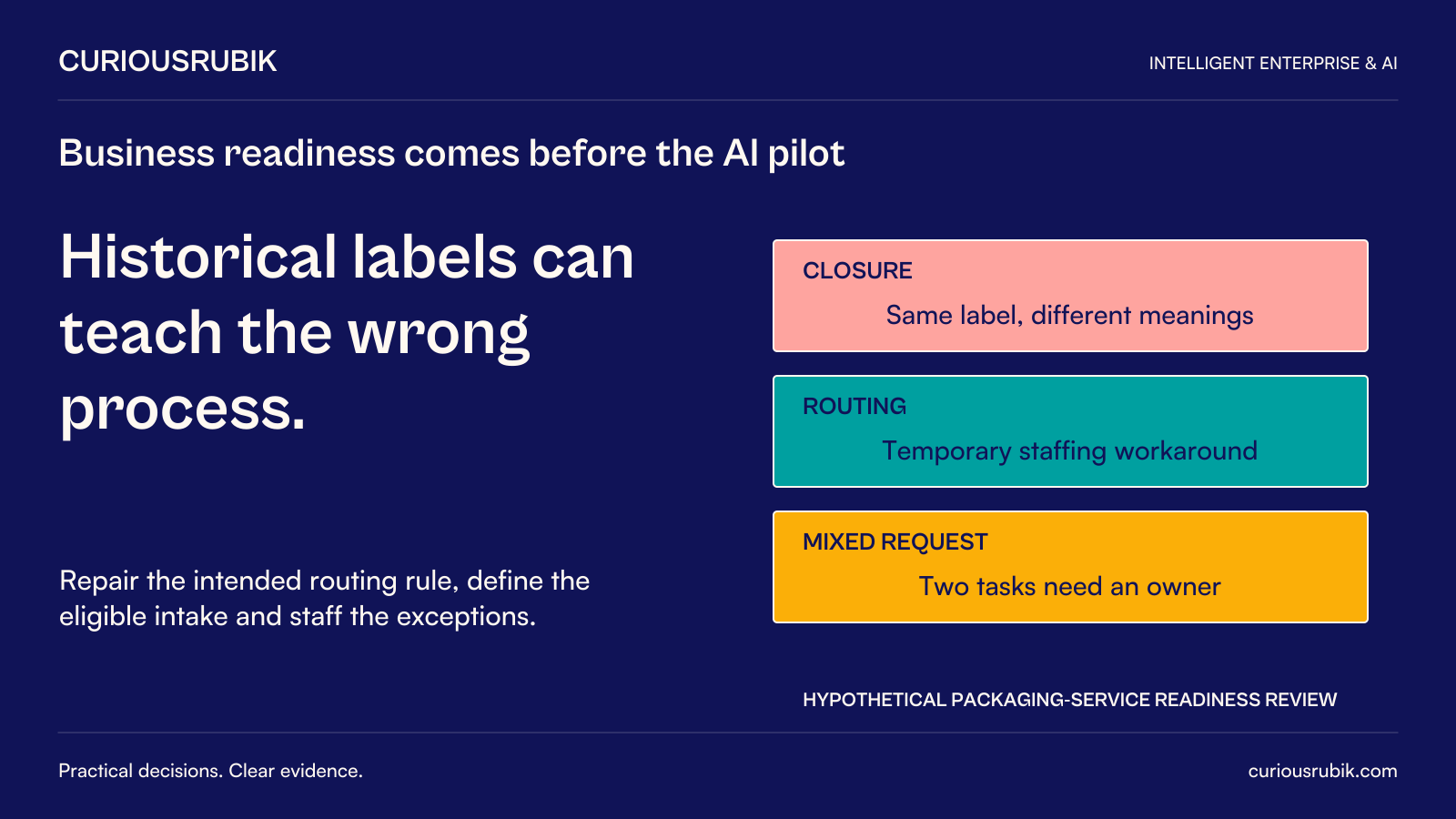
An AI project can produce plausible predictions and still fail operationally when the business has no stable definition of the task, reliable evidence of outcomes, or capacity to handle exceptions. In that situation, improving the model …
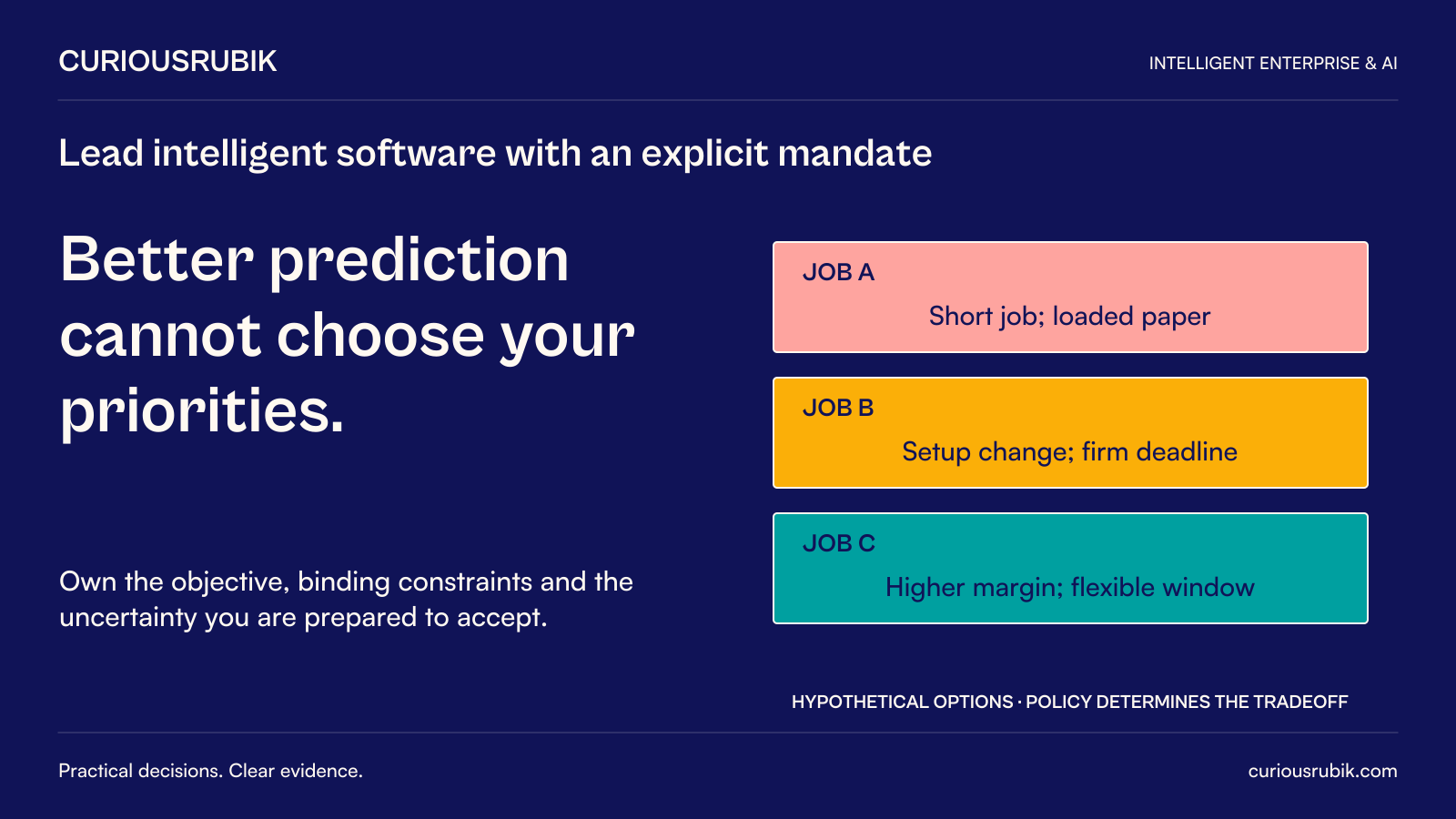
When software starts selecting priorities, allocating capacity, or choosing the next business action, the enterprise has delegated a decision. That delegation changes who can affect outcomes, how objectives are interpreted, and what …
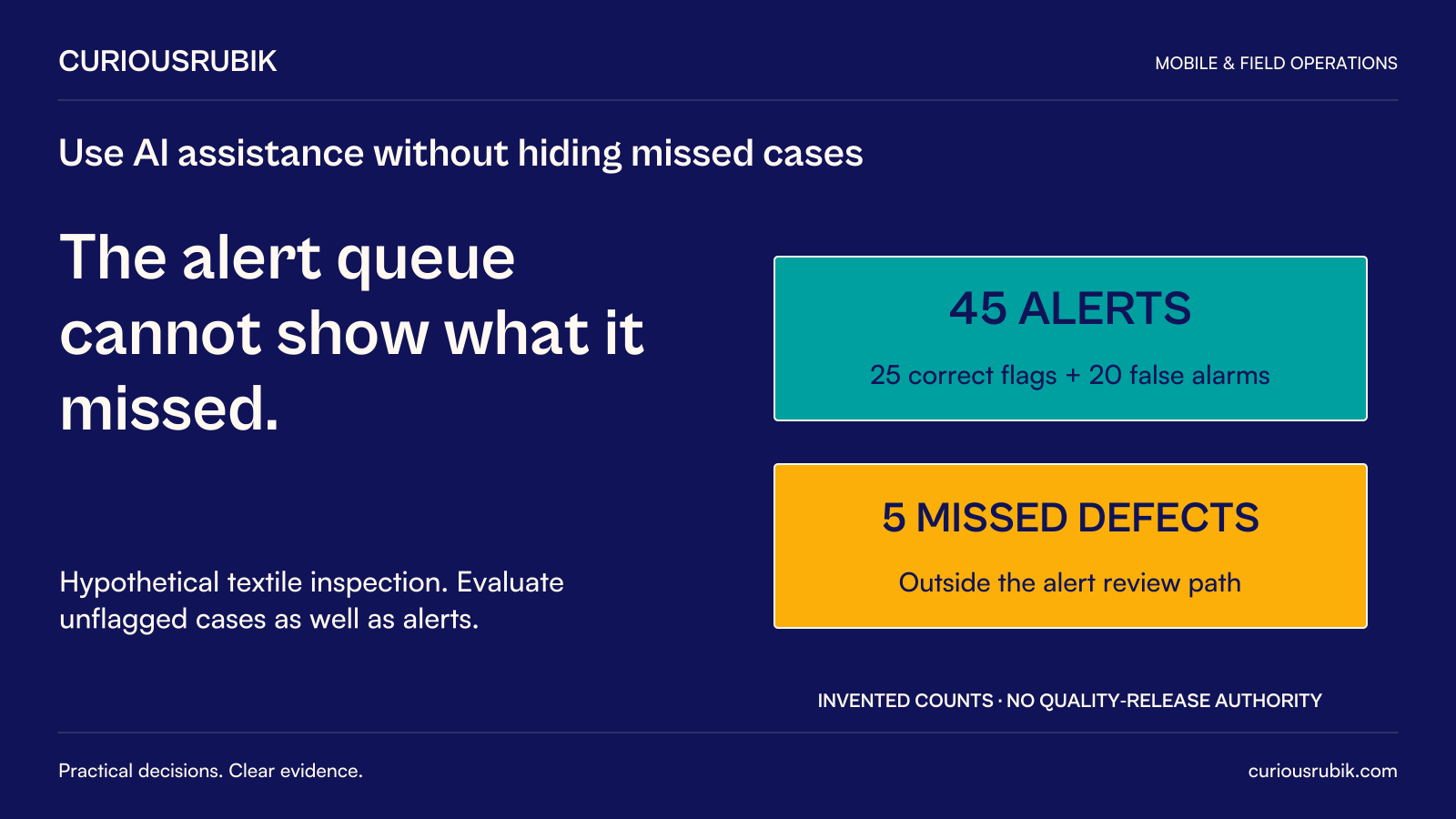
The most useful next generation of enterprise mobile applications will help people interpret evidence and prepare decisions at the point of work. That may involve reading a label, suggesting a defect category, retrieving an approved …
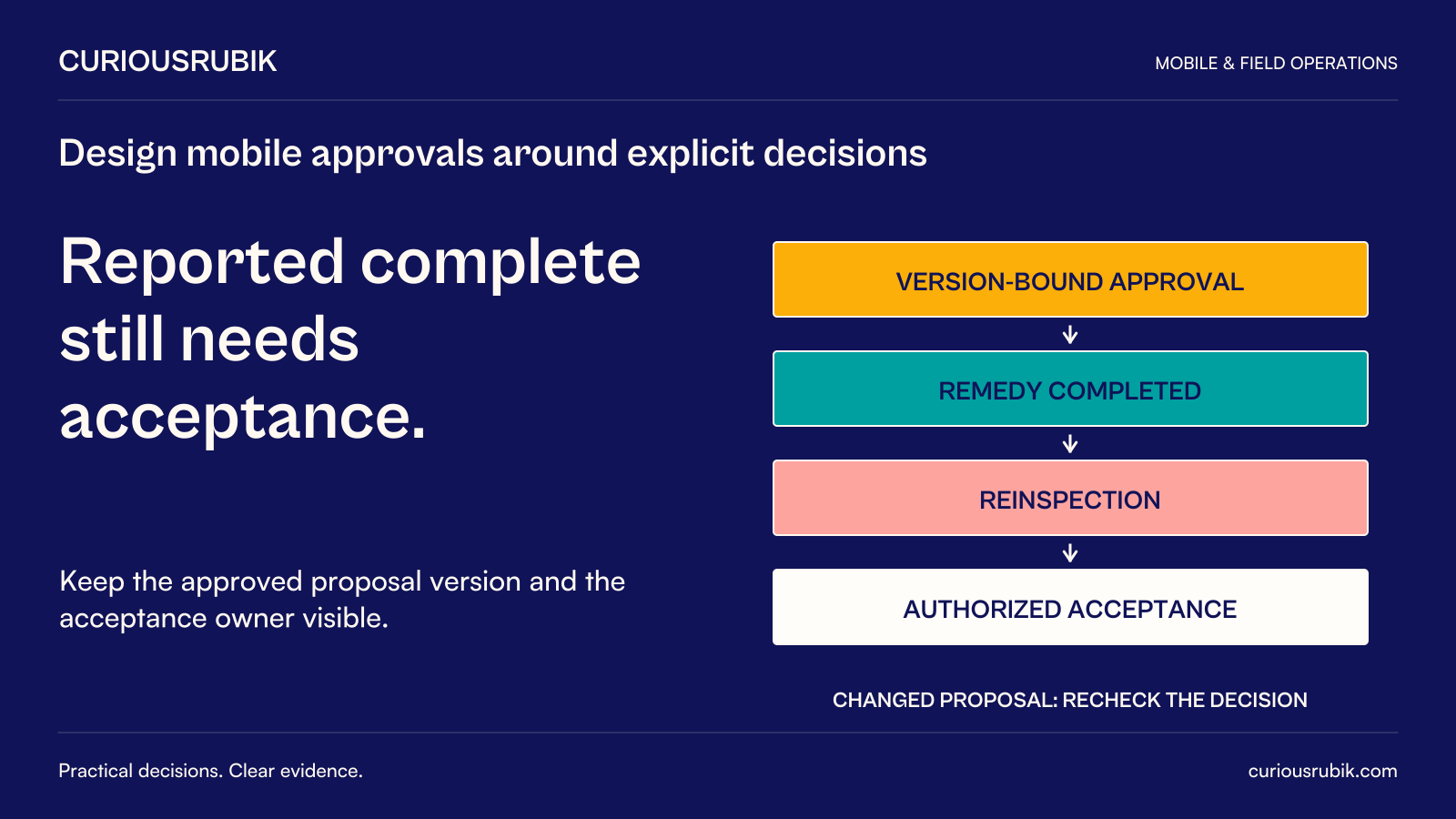
Approvals, inspections, and service tasks can share a mobile experience, but they represent different kinds of work. An inspection records evidence. An approval grants authority for a defined decision. A service workflow coordinates …
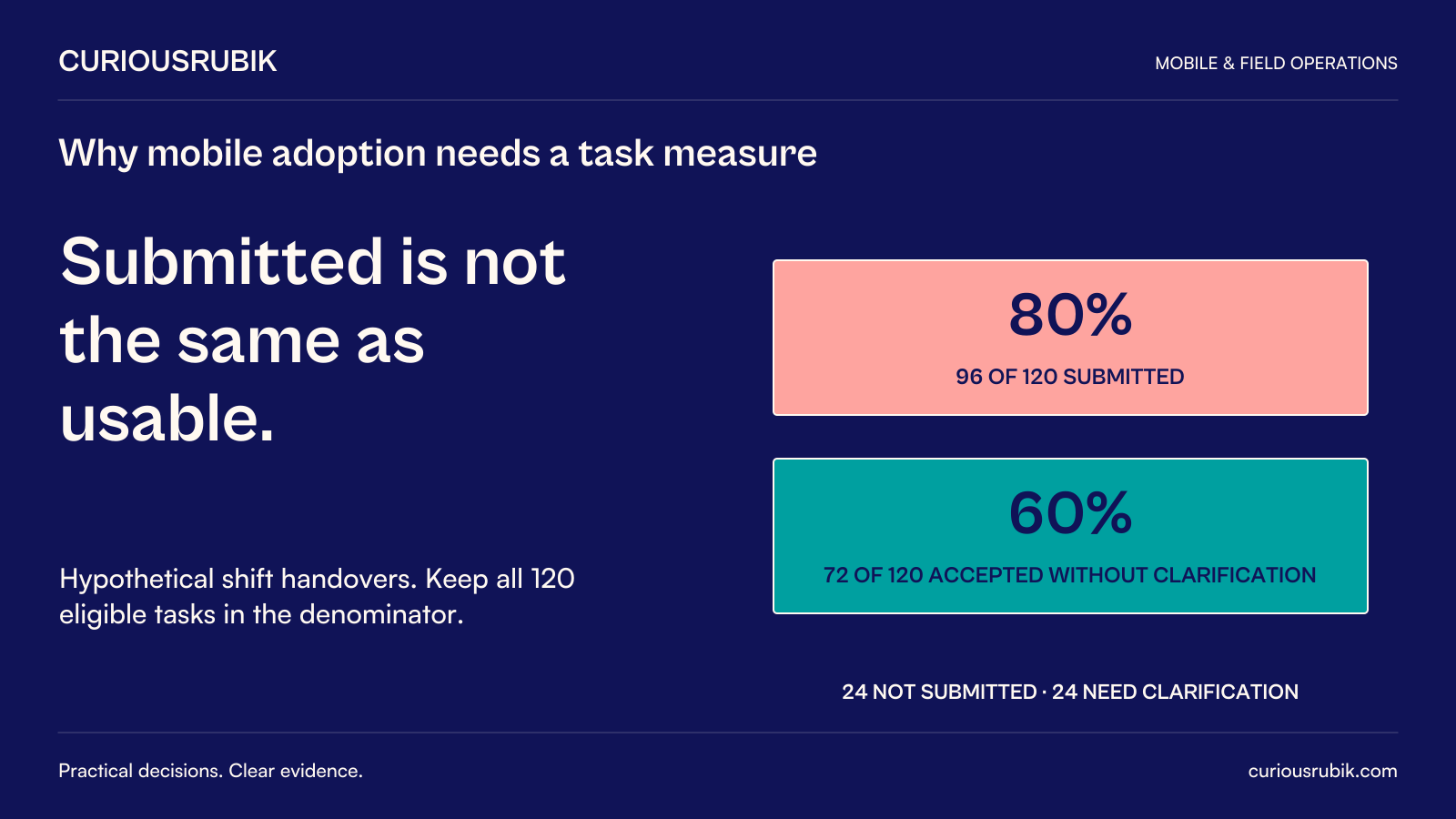
Enterprise mobile apps fail to achieve adoption when they add work, leave important tasks unfinished, or ask employees to trust a process that gives them little feedback. Training can help people learn an unfamiliar interaction. It cannot …